

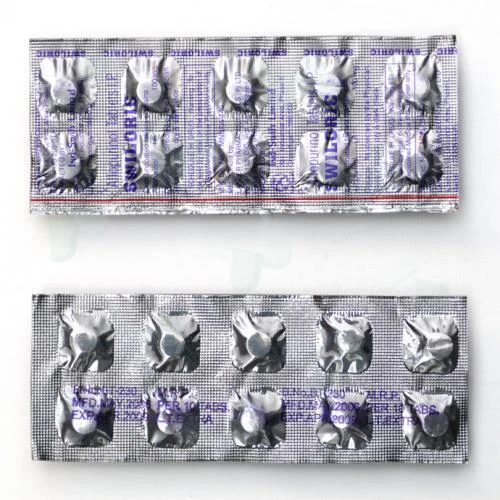
Zyloprim
Zyloprim (Allopurinol) is a well-established medication used to manage conditions caused by high levels of uric acid in the body. Primarily, it effectively treats and prevents gout attacks by reducing uric acid production. It also plays a role in preventing certain kidney stones and other complications associated with elevated uric acid levels. For your convenience, Zyloprim is available over the counter (OTC), meaning no prescription is required for purchase. Choose Zyloprim to help effectively manage these challenging health conditions.
Delivery: 5–21 days (depending on the shipping method selected)
Extra 10% off with code: EXTRA10
Each dosage option has its own packaging variants.
Zyloprim Allopurinol How This Medication Works to Control Uric Acid and Treat Gout
Welcome to our detailed guide on Zyloprim, a widely recognised and trusted medication designed to effectively manage a range of conditions associated with elevated uric acid levels. For individuals across Australia seeking reliable solutions for gout, recurrent kidney stones, or the complications of certain cancer treatments, Zyloprim offers a scientifically proven pathway to improved health and quality of life. Understanding how this vital medication works and its profound benefits is crucial for anyone considering it as part of their health regimen.
Our commitment is to provide you with the most thorough and accessible information about Zyloprim, empowering you to make informed decisions about your health. We delve into its mechanism of action, approved indications, potential benefits, and practical considerations for its use. Discover why Zyloprim remains a cornerstone therapy in managing hyperuricemia and its associated conditions, helping countless Australians lead more comfortable and active lives.
Understanding Zyloprim: The Power of Allopurinol
Zyloprim, known generically as allopurinol, stands as a pivotal medication in the treatment of conditions characterised by excessive uric acid production. Uric acid is a natural waste product formed during the breakdown of purines, substances found in many foods and also produced by the body. While a normal amount of uric acid is harmless and excreted by the kidneys, persistently high levels, a condition known as hyperuricemia, can lead to significant health problems. Zyloprim works by reducing these elevated levels, thereby preventing or alleviating the symptoms of related diseases.
The primary mechanism of action for Zyloprim is its ability to inhibit xanthine oxidase, an enzyme essential for the conversion of purines into uric acid. By blocking this enzyme, Zyloprim effectively lowers the production of uric acid in the body, leading to decreased concentrations in both blood and urine. This reduction is critical for preventing the crystallisation of uric acid, which is the underlying cause of painful gout attacks and the formation of certain kidney stones. Its comprehensive approach to managing uric acid makes it an indispensable tool in long-term disease management, offering sustained relief and protection against future complications.
Primary Indications for Zyloprim Use
Zyloprim is officially approved for the treatment of several key medical conditions where hyperuricemia plays a central role. Its efficacy and safety profile have made it a standard of care in these areas, helping patients across Australia to manage their conditions effectively.
Gout: This is arguably the most well-known indication for Zyloprim. Gout is a debilitating form of inflammatory arthritis caused by the deposition of uric acid crystals in the joints, leading to sudden, severe attacks of pain, redness, tenderness, and swelling. These attacks often occur in the big toe but can affect other joints too. Zyloprim is not typically used to treat acute gout attacks, but rather as a preventative measure to reduce the frequency and severity of future attacks by lowering systemic uric acid levels. Long-term use of Zyloprim helps to dissolve existing urate crystals and prevent new ones from forming, thus preventing joint damage and improving mobility for many Australians suffering from this chronic condition.
Recurrent Calcium Oxalate Kidney Stones: While uric acid stones are directly caused by hyperuricemia, Zyloprim also plays a crucial role in preventing recurrent calcium oxalate kidney stones, particularly in patients with persistently high levels of uric acid in their urine. The presence of excess uric acid can act as a nucleus for calcium oxalate crystal formation, or it can decrease the solubility of calcium oxalate, indirectly contributing to stone formation. By lowering urinary uric acid concentrations, Zyloprim reduces this facilitative effect, thereby decreasing the risk of future stone formation. This preventative approach is vital for individuals who experience frequent and painful kidney stone episodes, offering a significant improvement in their quality of life.
Hyperuricemia Associated with Cancer Therapy: Certain cancer treatments, especially chemotherapy and radiation therapy for conditions like leukaemia, lymphoma, and other malignancies, can lead to a rapid breakdown of cancer cells. This rapid cell turnover releases large amounts of purines into the bloodstream, which are then metabolised into uric acid, leading to a sudden and significant increase in uric acid levels – a condition known as tumour lysis syndrome. This acute hyperuricemia can be life-threatening, causing acute kidney injury due to uric acid crystal deposition in the renal tubules. Zyloprim is critically important in this setting, administered prophylactically to prevent or manage hyperuricemia during cancer therapy. By pre-emptively lowering uric acid production, Zyloprim protects the kidneys and helps ensure that cancer treatment can proceed safely and effectively, a vital consideration for patients undergoing such intensive therapies across Australia.
Benefits of Incorporating Zyloprim into Your Health Regimen
The benefits of Zyloprim extend far beyond simply lowering uric acid levels. For those living with chronic conditions like gout or at risk of kidney stones and hyperuricemia due to cancer treatment, Zyloprim offers a pathway to a better quality of life and reduced long-term health risks.
Effective Gout Management: The most immediate and appreciated benefit for many is the dramatic reduction in the frequency and intensity of gout attacks. By maintaining stable, lower uric acid levels, Zyloprim helps prevent the painful crystal formation that characterises gout, allowing individuals to enjoy greater mobility and freedom from disabling pain. This leads to a significant improvement in daily activities and overall well-being for countless Australians.
Prevention of Kidney Stones: For individuals prone to recurrent kidney stones, particularly those with a history of calcium oxalate stones linked to high urinary uric acid, Zyloprim is a powerful preventative agent. It helps to reduce the risk of future stone formation, sparing patients from the excruciating pain and potential complications associated with kidney stones, such as infections and kidney damage.
Protection During Cancer Therapy: In the context of cancer treatment, Zyloprim provides crucial kidney protection. By preventing the acute hyperuricemia and subsequent uric acid nephropathy associated with tumour lysis syndrome, it ensures that patients can safely undergo essential chemotherapy or radiation without the added complication of severe kidney damage. This protective role is invaluable for patients battling serious illnesses.
Improved Quality of Life: Ultimately, by effectively managing these conditions, Zyloprim contributes significantly to an improved quality of life. Reduced pain, fewer hospitalisations for kidney stones or gout flares, and the ability to continue vital cancer treatments without severe side effects translate into greater comfort, independence, and overall health for individuals across Australia.
Dosage and Administration Guidelines
The correct dosage of Zyloprim is critical for its efficacy and safety, and it is typically tailored to the individual’s specific condition and response to treatment. While general guidelines exist, it is important to understand that adjustments may be necessary based on clinical evaluation.
Initial Dosing: For gout and hyperuricemia, treatment often begins with a lower dose, such as 100 mg once daily, to minimise the risk of adverse reactions, particularly the initial mobilisation of uric acid that can sometimes trigger an acute gout flare. This introductory phase allows the body to gradually adjust to the medication.
Titration: The dose is then gradually increased, often in increments of 100 mg per week or bi-weekly, until the desired uric acid level is achieved. The typical maintenance dose for gout and hyperuricemia can range from 200 mg to 800 mg per day, administered as a single dose or divided into multiple doses. It is crucial to monitor serum uric acid levels regularly to ensure the therapeutic target is met and maintained.
For Hyperuricemia Associated with Cancer Therapy: Dosing in this context is often initiated several days prior to chemotherapy or radiation and may involve higher initial doses, typically 600-800 mg per day, divided into 2-3 doses. The duration of treatment depends on the risk of hyperuricemia and the duration of the cancer therapy. Careful hydration is also usually recommended in these cases.
For Recurrent Kidney Stones: The dose for preventing recurrent calcium oxalate stones in hyperuricosuric patients is typically in the range of 200-300 mg daily, tailored to achieve appropriate urinary uric acid levels.
Administration: Zyloprim tablets should be taken orally, preferably after meals to reduce gastric irritation. Adequate fluid intake throughout the day is highly recommended to help facilitate uric acid excretion and prevent kidney stone formation, particularly during the initial phases of treatment.
It is important to note that patients new to Zyloprim may experience an initial increase in gout flares as the body mobilises existing uric acid crystals. This phenomenon is often transient and can sometimes be managed with concurrent use of anti-inflammatory medications, as determined by a healthcare provider.
Important Considerations and Precautions
While Zyloprim is a highly effective medication, certain precautions and considerations are important to ensure its safe and optimal use for individuals across Australia.
Kidney Function: As Zyloprim and its metabolites are primarily excreted by the kidneys, patients with impaired kidney function may require lower doses to prevent accumulation of the drug and reduce the risk of side effects. Regular monitoring of kidney function is essential, especially in elderly patients or those with pre-existing renal disease.
Liver Function: Although less common, Zyloprim can affect liver enzymes. Patients with pre-existing liver conditions or those who develop symptoms of liver dysfunction during treatment should have their liver function monitored. Any signs of jaundice, persistent nausea, or unexplained fatigue warrant immediate attention.
Allergic Reactions: A rare but serious side effect of Zyloprim is a severe hypersensitivity reaction, which can manifest as a rash, fever, and organ involvement (e.g., DRESS syndrome, Stevens-Johnson syndrome, toxic epidermal necrolysis). While very rare, such reactions can be life-threatening. Patients should be advised to discontinue Zyloprim immediately and seek medical attention at the first sign of a skin rash. Individuals of certain genetic backgrounds, particularly those of Han Chinese, Korean, or Thai descent, have a higher risk of these severe skin reactions, and genetic testing (HLA-B*5801) may be considered before initiation of therapy in these populations.
Acute Gout Flares: Zyloprim is not intended to treat acute gout attacks. It is a preventative medication. Starting Zyloprim during an acute flare may even prolong it. If a flare occurs while on Zyloprim, treatment should continue, and the flare should be managed with appropriate anti-inflammatory medications.
Hydration: Maintaining good hydration by drinking plenty of fluids is crucial during Zyloprim therapy. This helps to promote urine output and aids in the excretion of uric acid, reducing the risk of kidney stone formation.
Pregnancy and Breastfeeding: The use of Zyloprim during pregnancy and breastfeeding should be carefully considered. It should only be used if the potential benefits outweigh the potential risks to the foetus or infant. Always consult a healthcare professional for specific advice in these situations.
Interactions with Other Medications: Zyloprim can interact with several other medications, potentially altering their effects or increasing the risk of side effects. For example, it can enhance the effects of anticoagulants like warfarin, increase the toxicity of azathioprine and mercaptopurine, and interact with certain diuretics and antibiotics. A comprehensive review of all medications, including over-the-counter drugs and supplements, is advisable to prevent adverse interactions. Australians should always be mindful of their complete medication profile.
Potential Side Effects
Like all medications, Zyloprim can cause side effects, although not everyone experiences them. Most side effects are mild and transient, but some can be more serious. Understanding these can help you identify any concerns promptly.
Common Side Effects (may affect up to 1 in 10 people):
- Skin rash (often mild, but can be an early sign of a serious reaction, so it should always be reported)
- Nausea or vomiting
- Diarrhoea
- Changes in liver function tests (usually reversible)
- Acute attacks of gout (especially at the beginning of therapy as uric acid crystals are mobilised)
Uncommon Side Effects (may affect up to 1 in 100 people):
- Hypersensitivity reactions with skin rashes and peeling skin, accompanied by fever, swollen lymph glands, joint pain, and/or eosinophilia (a type of white blood cell count increase)
- Hepatitis (inflammation of the liver)
Rare Side Effects (may affect up to 1 in 1,000 people):
- Severe skin reactions (Stevens-Johnson syndrome, toxic epidermal necrolysis, DRESS syndrome – these are medical emergencies)
- Blood disorders (e.g., low white blood cell count, low platelet count, anaemia)
- Kidney problems (e.g., inflammation of the kidneys)
- Peripheral neuropathy (nerve damage)
- Hair loss
- Headaches, dizziness
- Taste disturbances
It is imperative to seek immediate medical attention if you experience a severe rash, fever, peeling skin, blisters, or any signs of an allergic reaction. While Zyloprim is generally well-tolerated, awareness of potential side effects is important for safe usage across Australia.
Storage and Handling
Proper storage of Zyloprim ensures its effectiveness and stability.
- Store Zyloprim tablets at room temperature, below 30°C.
- Keep the medication in its original packaging to protect it from light and moisture.
- Do not store Zyloprim in the bathroom or near a sink.
- Keep all medicines out of the reach of children and pets.
- Do not use Zyloprim past its expiry date, which is printed on the packaging.
Why Choose Our Online Pharmacy for Zyloprim?
For Australians seeking convenient and reliable access to Zyloprim, our online platform provides an unparalleled solution. We understand the importance of managing chronic conditions effectively and with minimal disruption to your daily life. Our service is tailored to meet the needs of a diverse customer base, from bustling city centres to remote regional areas across Australia.
What sets us apart is our unwavering commitment to accessibility and customer empowerment. We proudly offer Zyloprim for purchase absolutely freely, without the conventional requirement of a prescription or prior specialist consultation. This streamlined process is designed to provide immediate access to essential medication for those who understand their needs and are comfortable self-managing their health within the officially approved indications of Zyloprim. Our extensive network ensures swift and discreet delivery to any postcode in Australia, bringing your medication directly to your doorstep. We prioritise your privacy and convenience, making the acquisition of Zyloprim a simple and stress-free experience. Trust us to be your dependable partner in health, providing the support and resources you need to effectively manage your conditions and enhance your overall well-being.
Zyloprim (Allopurinol) Characteristics Table
This comprehensive table provides a quick reference for key information regarding Zyloprim (Allopurinol), designed to offer a clear overview for our customers in Australia.
| Characteristic | Description |
|---|---|
| Generic Name | Allopurinol |
| Brand Name | Zyloprim |
| Pharmaceutical Class | Xanthine Oxidase Inhibitor |
| Mechanism of Action | Reduces uric acid production by inhibiting the enzyme xanthine oxidase, which converts purines into uric acid. |
| Primary Indications |
|
| Formulation | Oral tablets |
| Typical Dosage Range | 100 mg to 800 mg daily, tailored to individual needs and serum uric acid levels. Often started at lower doses (e.g., 100 mg/day) and gradually increased. |
| Administration | Oral, preferably after meals to minimise gastric irritation. Taken with plenty of water. |
| Onset of Action | Uric acid levels typically begin to decrease within 24-48 hours. Full therapeutic effect may take several weeks to months. |
| Excretion | Primarily renal (through the kidneys). Dosage adjustments may be necessary for individuals with impaired kidney function. |
| Common Side Effects | Skin rash (mild), nausea, vomiting, diarrhoea, initial gout flares. |
| Serious Side Effects (Rare) | Severe hypersensitivity reactions (e.g., Stevens-Johnson syndrome, DRESS syndrome), liver damage, blood disorders. Immediate medical attention required for severe reactions. |
| Contraindications | Known hypersensitivity to allopurinol or any excipients. (Always refer to the official product information for a complete list). |
| Interactions | Can interact with anticoagulants (e.g., warfarin), azathioprine, mercaptopurine, certain diuretics, and antibiotics. Always inform of all concomitant medications. |
| Special Populations | Dose adjustments may be required for elderly patients and those with renal or hepatic impairment. Caution during pregnancy and breastfeeding. |
| Storage | Store below 30°C, in original packaging, protected from light and moisture. Keep out of reach of children. |
| Important Note | Not for treating acute gout attacks. Continue during flares, managing the flare separately. Adequate hydration is crucial. |
| Availability in Australia | Available for purchase freely through our online pharmacy, without a prescription or specialist consultation. |
Frequently Asked Questions About Zyloprim
Here are some of the most common questions individuals in Australia ask about Zyloprim, along with informative answers to help clarify its use and benefits.
1. What is the main purpose of taking Zyloprim?
The primary purpose of Zyloprim (allopurinol) is to lower high levels of uric acid in the blood and urine. This helps to prevent conditions caused by uric acid buildup, such as chronic gout attacks, the formation of certain kidney stones, and the acute hyperuricemia that can occur during some cancer treatments. It is a preventative medication designed for long-term management rather than immediate relief of acute symptoms.
2. How long does it take for Zyloprim to start working?
Zyloprim begins to lower uric acid levels in the blood within 24 to 48 hours of starting treatment. However, achieving the full therapeutic effect and stabilising uric acid levels sufficiently to prevent gout attacks or kidney stone formation can take several weeks to months. Consistency in taking the medication as directed is key to its long-term success.
3. Can I take Zyloprim during an acute gout attack?
Zyloprim is not designed to treat acute gout attacks. In fact, starting Zyloprim during a flare, or even changing the dose, can sometimes prolong or worsen the attack. If you are already taking Zyloprim and experience an acute gout flare, you should continue your medication as usual and manage the flare with appropriate anti-inflammatory drugs, as typically recommended by healthcare professionals.
4. What should I do if I forget to take a dose of Zyloprim?
If you miss a dose of Zyloprim, take it as soon as you remember. However, if it is almost time for your next scheduled dose, skip the missed dose and resume your regular dosing schedule. Do not take a double dose to make up for a missed one, as this could increase the risk of side effects. Consistency is important, so try to take it at the same time each day.
5. Do I need to make any dietary changes while taking Zyloprim?
While Zyloprim effectively lowers uric acid, adopting a healthy diet can complement its effects, especially for gout sufferers. Reducing intake of purine-rich foods (e.g., red meat, organ meats, certain seafood), limiting alcohol (especially beer), and avoiding sugary drinks can help manage uric acid levels. Maintaining good hydration by drinking plenty of water is also very important for all individuals taking Zyloprim, particularly those in Australia’s varied climate.
6. What are the most important things to watch out for when taking Zyloprim?
The most important thing to watch out for is any sign of a severe allergic reaction, such as a skin rash that spreads, blistering, peeling skin, fever, or swelling. If you experience any of these, discontinue Zyloprim immediately and seek urgent medical attention. Also, ensure adequate hydration throughout the day, and report any unusual or persistent side effects to a healthcare provider.
7. Can Zyloprim prevent all types of kidney stones?
No, Zyloprim is specifically indicated for the prevention of recurrent *calcium oxalate kidney stones* in patients with hyperuricosuria (high uric acid in urine) and for *uric acid kidney stones* themselves. It works by reducing uric acid levels, which can contribute to the formation of these specific stone types. It is not effective for preventing other types of kidney stones, such as struvite or cystine stones.
8. Is Zyloprim safe for long-term use?
Yes, Zyloprim is generally considered safe and highly effective for long-term use in managing chronic conditions like gout and preventing recurrent kidney stones. It is often prescribed for life to maintain consistently low uric acid levels. Regular monitoring by a healthcare professional, including blood tests for uric acid levels, kidney function, and liver enzymes, is advisable during extended therapy to ensure continued safety and effectiveness.
Australian Customer Testimonials
Hear from fellow Australians who have experienced the positive impact of Zyloprim on their health and well-being.
Review from David M., Sydney, NSW:
“Living in Sydney, I lead a very active life, but for years, recurring gout attacks made even simple walks along the harbour a painful ordeal. My big toe would flare up with excruciating pain, keeping me off my feet for days. A friend recommended looking into Zyloprim, and after doing my research, I decided to give it a try through this online pharmacy. The process was incredibly straightforward, and receiving the medication without the usual hassle was a huge relief. Since starting Zyloprim, the change has been remarkable. My gout attacks have become significantly less frequent and, when they do occur, they are much milder. I’m back to enjoying my daily walks and haven’t felt this good in years. It’s truly given me back my freedom, and the convenience of getting it delivered across Australia makes a real difference.”
Review from Dr. Emily R., Melbourne, VIC (Medical Science Researcher):
“As a medical science researcher in Melbourne, I have a deep understanding of pharmaceutical mechanisms and clinical efficacy. When I began experiencing recurrent uric acid kidney stones, impacting my ability to concentrate on my work, I naturally turned to allopurinol, known as Zyloprim. The science behind its xanthine oxidase inhibition is robust, and its role in preventing both gout and certain kidney stone formations is well-established. My personal experience with Zyloprim has been entirely consistent with its clinical profile. Since integrating it into my routine, I’ve had no further kidney stone incidents, and my uric acid levels are perfectly managed. The accessibility of this product through an online platform that serves all of Australia, bypassing conventional hurdles, is a commendable step forward in patient care, especially for those who are knowledgeable about their medical needs. It’s a testament to effective medicine meeting modern convenience.”
Zyloprim offers a scientifically sound and effective solution for managing conditions related to elevated uric acid. From preventing debilitating gout attacks to safeguarding kidney health during critical cancer treatments, its benefits are profound and far-reaching. By providing comprehensive information and ensuring easy access across Australia, we aim to empower you to take control of your health with confidence. Embrace a life with reduced discomfort and enhanced well-being by choosing Zyloprim today.
| Dosage | 100mg, 300mg |
|---|---|
| Package | 60 pills, 90 pills, 120 pills, 180 pills, 270 pills, 360 pills |
| Active Ingredient | Allopurinol |
| Active Ingredient |
Be the first to review “Zyloprim”
You must be logged in to post a review.
Related products




Reviews
There are no reviews yet.