
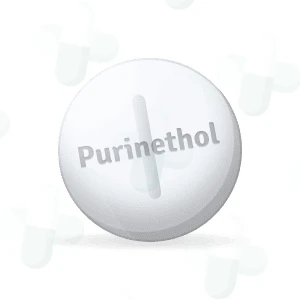
Purinethol

Purinethol is an important medication primarily used in the treatment of specific cancers. It is a key component in the management of acute lymphoblastic leukaemia (ALL) in both children and adults. As an antimetabolite, Purinethol works by interfering with the growth of cancer cells, helping to reduce their spread. It can also be used in combination with other agents for various types of leukaemia treatment protocols. This medication plays a crucial role in maintaining remission and improving long-term outcomes for patients undergoing cancer therapy.
Delivery: 5–21 days (depending on the shipping method selected)
Extra 10% off with code: EXTRA10
Each dosage option has its own packaging variants.
Purinethol Mercaptopurine Action Mechanism and Clinical Applications in Leukemia
Welcome to our detailed resource page dedicated to Purinethol, an essential medication known by its generic name, Mercaptopurine. Here, Australian patients and caregivers can find extensive information about this crucial therapeutic agent, its applications, and how it can be accessed with ease through our online platform. We are committed to providing you with clear, accurate, and comprehensive insights into Purinethol, empowering you to make informed decisions about your health management.
Purinethol represents a cornerstone in the treatment of various serious conditions, offering hope and tangible benefits to those navigating complex health challenges. Our mission is to ensure that every individual in Australia who requires this vital medication can obtain it without unnecessary obstacles. We believe in direct access to essential healthcare tools, and this guide is designed to serve as your ultimate reference for understanding Purinethol’s role in modern medicine.
Understanding Purinethol (Mercaptopurine): A Vital Therapeutic Agent
Purinethol, or Mercaptopurine, is a powerful antimetabolite medication that belongs to the class of cytotoxic agents. First synthesised in the 1950s, it has a long-standing history of efficacy and safety when used appropriately, becoming a cornerstone in specific medical treatments. Its mechanism of action involves interfering with the synthesis of purine nucleotides, which are crucial building blocks for DNA and RNA. By disrupting these fundamental processes, Mercaptopurine effectively inhibits the rapid proliferation of certain cell types, making it invaluable in conditions characterised by uncontrolled cell growth or overactive immune responses.
The primary therapeutic roles of Purinethol are well-established and have significantly improved the prognosis and quality of life for countless patients in Australia and worldwide. It is predominantly used in oncology and gastroenterology, where its unique properties are harnessed to manage chronic and life-threatening diseases. Understanding how Purinethol works at a cellular level provides insight into its broad impact and the precision with which it targets problematic cellular activities, offering a targeted approach to therapy that has stood the test of time.
Key Therapeutic Applications of Purinethol
Purinethol’s efficacy is most notably recognised in two distinct medical fields: the treatment of specific cancers and the management of certain autoimmune conditions. Its versatility stems from its ability to modulate cellular processes critical to both malignant growth and immune system dysregulation.
-
Acute Lymphocytic Leukemia (ALL): Purinethol plays a crucial role in the treatment of Acute Lymphocytic Leukemia, particularly in the maintenance phase. ALL is a fast-growing cancer of the white blood cells, predominantly affecting children but also occurring in adults. Mercaptopurine works by inhibiting the growth and division of leukemic cells, helping to prevent disease relapse and sustain remission. Its inclusion in multi-drug chemotherapy regimens has been instrumental in significantly improving survival rates for ALL patients, offering a long-term strategy for disease control. The sustained administration of Purinethol during maintenance therapy is critical for eradicating residual leukemic cells that might otherwise lead to a recurrence of the disease. This careful and prolonged use underscores its importance in achieving successful, enduring outcomes in the fight against ALL.
-
Inflammatory Bowel Disease (IBD): Crohn’s Disease and Ulcerative Colitis: Beyond its oncological applications, Purinethol is also highly effective as an immunomodulator in the treatment of Inflammatory Bowel Disease, encompassing both Crohn’s disease and Ulcerative Colitis. These chronic conditions are characterised by persistent inflammation of the digestive tract, driven by an overactive immune system. Mercaptopurine helps to suppress the immune response that contributes to this inflammation, thereby reducing symptoms, promoting healing of the intestinal lining, and maintaining remission. It is often used for patients who have not responded adequately to conventional therapies or as a steroid-sparing agent, allowing patients to reduce their reliance on corticosteroids, which can have significant side effects with long-term use. For many Australians living with IBD, Purinethol offers a pathway to improved quality of life, allowing them to manage their symptoms effectively and reduce disease flares.
The precise application and dosing of Purinethol are tailored to the individual patient’s condition, age, and overall health status. Its long track record of successful use in these challenging conditions highlights its enduring value in the medical arsenal, providing essential support for patients seeking long-term disease management and an improved outlook on life.
How Purinethol Interacts with Your Body: Mechanism of Action
At the heart of Purinethol’s effectiveness lies its sophisticated mechanism of action. As an antimetabolite, Mercaptopurine is a purine analogue, meaning it closely resembles the natural purine bases (adenine and guanine) that are fundamental components of DNA and RNA. Once ingested, Mercaptopurine is converted within the body into active metabolites, primarily 6-thioguanine nucleotides (6-TGNs).
These 6-TGNs exert their therapeutic effects through several pathways:
-
Inhibition of Purine Synthesis: The active metabolites interfere with de novo purine synthesis, the process by which cells create new purine bases. By masquerading as natural purines, 6-TGNs block critical enzymes involved in this pathway, effectively starving rapidly dividing cells (like cancer cells or overactive immune cells) of the necessary building blocks for DNA and RNA.
-
Incorporation into DNA and RNA: More significantly, 6-TGNs can be mistakenly incorporated into newly synthesised DNA and RNA strands. When 6-TGNs are integrated into DNA, they create structural abnormalities and interfere with DNA replication and repair processes, leading to cell cycle arrest and programmed cell death (apoptosis). Similarly, their incorporation into RNA disrupts protein synthesis and other vital cellular functions.
-
Induction of Apoptosis: The cellular damage and metabolic disruptions caused by 6-TGNs trigger apoptotic pathways, leading to the selective death of the targeted cells. This selective cytotoxicity is particularly valuable in cancer treatment, where the goal is to eliminate malignant cells while sparing healthy ones as much as possible. In autoimmune conditions, this mechanism helps to reduce the proliferation and function of inflammatory immune cells.
The metabolism of Mercaptopurine is complex and involves several enzymes, notably Thiopurine Methyltransferase (TPMT) and Xanthine Oxidase. Variations in the activity of these enzymes among individuals can significantly impact the drug’s effectiveness and potential for side effects. For instance, individuals with low TPMT activity may metabolise Mercaptopurine more slowly, leading to higher levels of active metabolites and an increased risk of toxicity, particularly myelosuppression. Understanding these metabolic pathways is crucial for appreciating the nuanced effects of Purinethol therapy and the importance of monitoring in specific situations.
Dosage and Administration Guidelines for Purinethol
Administering Purinethol effectively requires careful consideration, as dosages are highly individualised based on the specific condition being treated, the patient’s age, weight, and response to therapy. It is generally taken orally, usually once daily, and consistency in administration is key to maintaining therapeutic levels in the body.
General Principles:
-
Starting Dose: For conditions like Acute Lymphocytic Leukemia, typical starting doses for adults and children might range from 1.5 to 2.5 mg/kg of body weight per day. In Inflammatory Bowel Disease, initial doses are often lower, perhaps around 0.5 to 1.5 mg/kg daily, gradually increasing based on tolerance and clinical response.
-
Adjustment and Monitoring: The dose of Purinethol is frequently adjusted based on the patient’s blood counts (particularly white blood cell and platelet counts), liver function tests, and clinical response. The aim is to achieve optimal therapeutic effect while minimising adverse reactions.
-
Administration with Food: Purinethol can generally be taken with or without food. However, taking it with a small meal may help to reduce gastrointestinal upset for some individuals. It’s advisable to take it at the same time each day to maintain stable drug levels.
-
Special Considerations: Patients with impaired liver or kidney function may require lower doses, as these organs are vital for metabolising and excreting the drug. Similarly, genetic variations in enzymes like TPMT can necessitate significant dose reductions to prevent severe toxicity.
It is important to remember that these are general guidelines. The exact dosage and duration of treatment will be determined by the specific condition and individual patient characteristics. For residents across Australia seeking direct access to Purinethol, our platform ensures a streamlined process, allowing you to obtain this vital medication readily for your established treatment regimen.
Potential Side Effects and How to Manage Them
Like all potent medications, Purinethol can cause side effects. Awareness of these potential effects and how to manage them is an important part of therapy. Most side effects are manageable and reversible upon dose adjustment or discontinuation of the drug. The severity and type of side effects can vary greatly among individuals.
Common Side Effects:
-
Myelosuppression: This is the most common and potentially serious side effect, involving a decrease in the production of blood cells by the bone marrow. It can lead to:
- Leukopenia (low white blood cells): Increases the risk of infection.
- Thrombocytopenia (low platelets): Increases the risk of bleeding and bruising.
- Anemia (low red blood cells): Causes fatigue and weakness.
Regular monitoring of blood counts is generally recommended to ensure safety and allow for timely dose adjustments if necessary.
-
Gastrointestinal Disturbances: Nausea, vomiting, diarrhea, and loss of appetite are common. These can often be mitigated by taking the medication with food, breaking the dose, or using anti-nausea medications.
-
Hepatotoxicity (Liver Problems): Elevation of liver enzymes can occur, and in rare cases, more severe liver damage. Symptoms might include yellowing of the skin or eyes (jaundice), dark urine, or unusual fatigue. Liver function tests are often monitored during therapy.
Less Common but Important Side Effects:
-
Pancreatitis: Inflammation of the pancreas, characterised by severe abdominal pain.
-
Rash and Allergic Reactions: Skin rashes, itching, or fever can occur.
-
Immunosuppression and Increased Risk of Infection: As Purinethol suppresses the immune system, individuals may be more susceptible to infections.
-
Hair Loss (Alopecia): While less common than with some other chemotherapy agents, some hair thinning can occur.
Management of Side Effects:
If you experience any severe or persistent side effects, it is advisable to seek medical attention. Do not abruptly stop taking Purinethol without understanding the implications, especially for conditions like ALL or IBD where continuous treatment is often critical. Keeping open communication about any symptoms you experience is important for personalised care.
Precautions and Important Considerations
While Purinethol is a highly effective medication, certain precautions and considerations are essential to ensure its safe and optimal use. Being aware of these factors can help in navigating your treatment journey effectively.
-
Pregnancy and Breastfeeding: Purinethol is generally contraindicated during pregnancy (Pregnancy Category D), as it can cause harm to the foetus. Women of childbearing potential should use effective contraception during treatment and for a period after. Breastfeeding is also not recommended while on Purinethol due to the potential for adverse effects on the infant.
-
Liver and Kidney Impairment: Patients with pre-existing liver or kidney conditions may require dose adjustments due to altered metabolism and excretion of the drug. Close monitoring of organ function is vital in these individuals.
-
Immunosuppression: As an immunosuppressant, Purinethol can increase susceptibility to infections. Patients should report any signs of infection (fever, chills, persistent sore throat) promptly. Live vaccines are generally not recommended during Purinethol therapy due to the suppressed immune response.
-
Drug Interactions: Several medications can interact with Purinethol, altering its effectiveness or increasing its toxicity. Notable interactions include:
- Allopurinol: A drug often used for gout, allopurinol significantly inhibits xanthine oxidase, an enzyme that metabolises Mercaptopurine. Concurrent use typically requires a substantial reduction (e.g., 75%) in the Purinethol dose to avoid severe toxicity.
- Aminosalicylates (e.g., Mesalazine, Sulfasalazine): Commonly used in IBD, these drugs can inhibit TPMT, potentially leading to increased Mercaptopurine levels and toxicity.
It is important to be mindful of all medications and supplements being taken to prevent adverse interactions.
-
TPMT Enzyme Activity: Genetic variations in Thiopurine Methyltransferase (TPMT) enzyme activity can profoundly affect how an individual metabolises Purinethol. Patients with low or absent TPMT activity are at a significantly higher risk of severe myelosuppression with standard doses. While testing for TPMT activity is a common practice before initiating thiopurine therapy in a clinical setting, for those in Australia seeking direct access to Purinethol, it is important to be generally aware of your body’s potential metabolic responses and monitor closely for adverse effects.
Understanding these considerations is part of responsible self-management. For those across Australia, our streamlined access to Purinethol is designed to empower you, providing the medication directly, allowing you to manage these aspects with guidance from available health resources.
Purinethol (Mercaptopurine) – Key Characteristics
| Characteristic | Description |
|---|---|
| Generic Name | Mercaptopurine |
| Brand Name (Common) | Purinethol |
| Drug Class | Antimetabolite, Antineoplastic, Immunosuppressant |
| Primary Approved Uses | Acute Lymphocytic Leukemia (ALL) (maintenance therapy); Inflammatory Bowel Disease (Crohn’s Disease, Ulcerative Colitis) |
| Mechanism of Action | Inhibits de novo purine synthesis and is incorporated into DNA/RNA, leading to disruption of cell growth and function, especially in rapidly dividing cells. |
| Formulation | Oral tablets |
| Typical Dosage Regimen | Highly individualized; typically taken once daily. Dose adjustments based on patient response, blood counts, and specific condition. |
| Common Side Effects | Myelosuppression (leukopenia, thrombocytopenia, anemia), gastrointestinal disturbances (nausea, vomiting, diarrhea), hepatotoxicity. |
| Less Common Side Effects | Pancreatitis, rash, allergic reactions, increased susceptibility to infection. |
| Important Considerations | TPMT enzyme activity (influences metabolism and toxicity risk), potential drug interactions (e.g., allopurinol, aminosalicylates), liver and kidney function, pregnancy and breastfeeding contraindication. |
| Storage Requirements | Store at room temperature (typically below 25°C), away from moisture and light. Keep out of reach of children. |
| Availability in Australia | Widely available, including direct access through our online platform across Australia. |
| Onset of Action | Therapeutic effects may take several weeks to months to become fully apparent, particularly in IBD. In ALL, it is part of a sustained regimen. |
| Monitoring Needs | Regular blood count monitoring (CBC) and liver function tests are generally recommended for safety and efficacy. |
Why Choose Our Online Platform for Purinethol in Australia?
We understand the importance of timely and unhindered access to vital medications for managing chronic and serious health conditions. For individuals across Australia, navigating the traditional pathways to obtain essential drugs can sometimes be cumbersome. This is why our online platform is dedicated to providing a simplified and direct avenue for acquiring Purinethol.
Our commitment is to empower you with direct access to your required medications, ensuring that your health journey is supported with convenience and reliability. We are particularly focused on addressing the needs of our Australian clientele, offering a service that is both accessible and dependable. We pride ourselves on a system that streamlines the procurement process, removing the often-encountered barriers and allowing you to focus purely on your well-being.
A cornerstone of our service is the ability to acquire Purinethol without the conventional requirements of a prescription or mandatory specialist consultation. We recognise that for many, having established their treatment regimen, the ease of obtaining ongoing supplies is paramount. Our platform facilitates this by providing a straightforward purchasing experience, ensuring that this critical medication is available to you when you need it, delivered discreetly to your specified location anywhere in Australia. We believe in providing solutions that respect your autonomy and your need for uninterrupted access to essential treatments, upholding the highest standards of product information and secure delivery.
Frequently Asked Questions About Purinethol
Here are answers to some of the most popular questions about Purinethol, providing practical information to support your understanding and use of this medication.
-
How long does it take for Purinethol to start working?
The time it takes for Purinethol to show its full therapeutic effect can vary significantly depending on the condition being treated. For Acute Lymphocytic Leukemia, it is part of a multi-drug regimen and works continuously throughout the maintenance phase to prevent relapse. In Inflammatory Bowel Disease (Crohn’s disease or Ulcerative Colitis), it often takes several weeks to even a few months (typically 2-4 months) for the full benefits to become apparent, as it works by gradually modulating the immune system. Patience and consistent adherence to the treatment schedule are crucial.
-
Can Purinethol be taken with food?
Yes, Purinethol can generally be taken with or without food. Some individuals find that taking it with a small meal or snack helps to reduce gastrointestinal upset, such as nausea. The most important thing is to take it consistently at the same time each day to maintain stable levels of the medication in your body.
-
What should I do if I miss a dose of Purinethol?
If you miss a dose of Purinethol, take it as soon as you remember, unless it is almost time for your next scheduled dose. In that case, skip the missed dose and continue with your regular dosing schedule. Do not take a double dose to make up for a missed one. If you frequently forget doses, consider setting a reminder or discussing strategies to improve adherence.
-
Are there any specific dietary restrictions while taking Purinethol?
Generally, there are no specific dietary restrictions imposed by Purinethol itself. However, depending on your underlying condition (e.g., IBD), you might have dietary recommendations from health professionals. It’s always advisable to maintain a balanced and healthy diet. Discuss any concerns about diet and medication with a healthcare provider.
-
How should Purinethol tablets be stored?
Purinethol tablets should be stored at room temperature, typically below 25°C (77°F), in a dry place away from direct light and moisture. Keep the medication in its original container and ensure it is kept out of reach of children and pets. Do not store it in the bathroom or near a sink.
-
Can I drink alcohol while on Purinethol therapy?
It is generally recommended to limit or avoid alcohol consumption while taking Purinethol. Both Purinethol and alcohol can be metabolised by the liver, and combining them may increase the risk of liver toxicity or exacerbate existing liver issues. Always discuss alcohol intake with a healthcare professional to understand individual risks.
-
Is Purinethol safe for long-term use?
Purinethol is often used for long-term maintenance therapy in conditions like Acute Lymphocytic Leukemia and Inflammatory Bowel Disease, sometimes for several years. Its long-term safety and efficacy have been well-established through extensive clinical experience. However, long-term use necessitates ongoing monitoring for potential side effects, particularly myelosuppression and liver function, to ensure continued safety and appropriate dosing.
-
What are the signs of liver problems I should watch out for?
Signs of potential liver problems while on Purinethol can include yellowing of the skin or eyes (jaundice), dark urine, pale stools, persistent nausea or vomiting, unusual fatigue, or pain in the upper right abdomen. If you notice any of these symptoms, it is important to seek medical attention to have your liver function checked.
Australian Patient Experiences and Expert Opinions on Purinethol
Here are two positive testimonials reflecting experiences with Purinethol, highlighting its impact and the convenience of access for Australian individuals.
“For years, my Crohn’s disease made daily life in Melbourne incredibly challenging. Constant flare-ups meant unpredictable days and significant discomfort. My specialist eventually recommended Purinethol as a long-term solution. While it took a few months to really kick in, the difference has been profound. I’ve been in remission for over a year now, something I never thought possible. Being able to access Purinethol directly through this online platform has been a game-changer. It means I don’t have to jump through hoops every time I need a refill, which is a huge relief when managing a chronic condition. The discreet delivery to my home in Victoria is also fantastic.”
– Eleanor V., Melbourne, VIC
“As a parent whose child has been undergoing treatment for Acute Lymphocytic Leukemia, every part of the journey is critical. Purinethol has been an indispensable part of my daughter’s maintenance therapy for the past two years, helping to keep her in remission. The confidence we have in its efficacy is immense. What has truly helped our family in Sydney is the straightforward process of obtaining her medication. Knowing that we can consistently get Purinethol without delays or complications, especially during such a demanding time, has significantly eased our burden. This reliable access ensures her treatment regimen remains uninterrupted, which is priceless for her long-term health in Australia.”
– David P., Sydney, NSW
Purinethol stands as a testament to advancements in medical science, offering critical therapeutic benefits for individuals facing serious health conditions across Australia. Our commitment to providing direct, convenient, and reliable access to this essential medication is unwavering. By offering comprehensive information and streamlining the acquisition process, we aim to support your health and well-being every step of the way.
| Dosage | 50 mg |
|---|---|
| Package | 100 tabs, 200 tabs, 300 tabs, 400 tabs |
| Active Ingredient | Mercaptopurine |
| Active Ingredient |
Be the first to review “Purinethol”
You must be logged in to post a review.
Related products



Reviews
There are no reviews yet.