

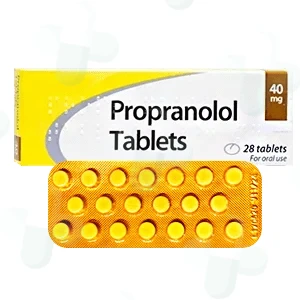
Propranolol
Propranolol is an established beta-blocker widely recognised for supporting everyday cardiovascular health and symptom control. This effective medication is primarily utilised to manage high blood pressure, reduce the frequency of migraine attacks, and steady irregular heart rhythms. It also provides reliable relief from the physical symptoms of essential tremor and chest pain linked to angina. You can conveniently purchase Propranolol over the counter with prompt dispatch straight to your door across Australia. Choosing this trusted OTC treatment provides a straightforward, hassle-free way to maintain your ongoing well-being.
Delivery: 5–21 days (depending on the shipping method selected)
Extra 10% off with code: EXTRA10
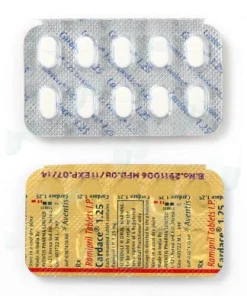
Each dosage option has its own packaging variants.
Propranolol Understanding the Beta-Blocker Its Mechanisms Benefits and Clinical Relevance
Welcome to our detailed guide on Propranolol, a widely recognised medication renowned for its effectiveness in managing a variety of cardiovascular and neurological conditions. This powerful beta-blocker is a cornerstone in modern medicine, offering significant relief and improved quality of life for many individuals across Australia. We understand the importance of making informed health choices, and this comprehensive overview is designed to provide you with all the essential information you need about Propranolol, from its mechanism of action to practical guidance on its use.
Propranolol’s versatility makes it a valuable asset in many treatment regimens. Whether you are seeking solutions for managing high blood pressure, preventing debilitating migraines, stabilising certain heart rhythms, or alleviating the physical symptoms of anxiety, Propranolol offers a reliable path towards better health outcomes. Explore how this medication can be a beneficial addition to your health management strategy, readily available to support your well-being across Australia.
Understanding Propranolol: Mechanism of Action and Therapeutic Applications
Propranolol belongs to a class of medications known as non-selective beta-adrenergic blockers. Its primary action involves blocking the effects of adrenaline (epinephrine) and noradrenaline (norepinephrine) at beta-1 and beta-2 adrenergic receptors throughout the body. By doing so, Propranolol exerts a multifaceted therapeutic effect that addresses a range of conditions. At the heart, it reduces heart rate and the force of contraction, leading to a decrease in blood pressure and cardiac workload. In other parts of the body, its effects contribute to its efficacy in conditions beyond the cardiovascular system.
Key Therapeutic Indications for Propranolol
Propranolol’s broad spectrum of action makes it suitable for several officially approved medical uses. Understanding these applications is crucial for anyone considering this medication.
- Hypertension (High Blood Pressure): Propranolol is highly effective in reducing elevated blood pressure. By slowing the heart rate and relaxing blood vessels, it helps the heart pump blood more efficiently, decreasing the overall pressure on arterial walls. This sustained reduction is vital for preventing serious complications such as stroke, heart attack, and kidney disease, which are significant health concerns for many Australians.
- Angina Pectoris (Chest Pain): For individuals suffering from angina, Propranolol works by reducing the heart’s oxygen demand. It decreases the heart rate and the force with which the heart pumps blood, thereby reducing the workload on the heart muscle. This helps to prevent or reduce the frequency and severity of angina attacks, allowing for a more active and comfortable life.
- Cardiac Arrhythmias: Propranolol is widely used to manage various types of irregular heartbeats, including atrial fibrillation, supraventricular tachycardia, and ventricular arrhythmias. It stabilises the heart’s electrical activity, helping to restore a normal rhythm and prevent potentially dangerous fluctuations.
- Migraine Prophylaxis: One of the well-established uses of Propranolol is in the prevention of migraine headaches. While the exact mechanism isn’t fully understood, it is believed to involve its ability to stabilise blood vessels in the brain and reduce the overall excitability of the nervous system. Regular use can significantly reduce the frequency and intensity of migraine attacks, a common and debilitating condition affecting many in Australia.
- Essential Tremor: Propranolol is a first-line treatment for essential tremor, a neurological disorder characterised by involuntary, rhythmic shaking, primarily affecting the hands. It helps to dampen the overactive nerve signals responsible for the tremor, allowing individuals to perform daily tasks with greater ease and confidence.
- Anxiety Symptoms (Situational and Generalised): While not primarily an anti-anxiety medication, Propranolol is exceptionally effective at managing the physical manifestations of anxiety, such as a racing heart, sweating, trembling, and shortness of breath. It does this by blocking the effects of adrenaline, which is responsible for these ‘fight or flight’ responses. This makes it particularly useful for performance anxiety (e.g., public speaking) or situations where physical symptoms of anxiety are overwhelming. It provides a calm, steady physical state, allowing individuals to cope better with stressful situations.
- Phaeochromocytoma: This rare tumour of the adrenal gland causes an overproduction of adrenaline and noradrenaline, leading to dangerously high blood pressure. Propranolol is used in conjunction with alpha-blockers to control blood pressure and manage the cardiovascular symptoms associated with this condition, often before surgical removal of the tumour.
- Hypertrophic Obstructive Cardiomyopathy (HOCM): In HOCM, the heart muscle thickens, making it difficult for the heart to pump blood effectively. Propranolol helps by relaxing the heart muscle, reducing the obstruction to blood flow, and improving the heart’s filling time, thereby alleviating symptoms like chest pain, shortness of breath, and fainting.
The extensive range of applications for Propranolol underscores its importance as a therapeutic agent. Its ability to address both acute symptoms and chronic conditions makes it a valuable tool in many medical toolkits.
Dosage and Administration Guidelines
Propranolol is available in various strengths and formulations, including immediate-release tablets. While this medication is available freely without the need for a prescription or a specialist consultation through our service, it is paramount that you approach its use with responsibility and a thorough understanding of its effects. Self-medication requires a heightened sense of awareness regarding your health status and any pre-existing conditions. Always initiate with the lowest effective dose and carefully monitor your body’s response. It is highly recommended that you research and understand the appropriate dosages for your specific condition before commencing treatment.
Typically, Propranolol is taken orally, with or without food. Consistency in dosing time is often recommended to maintain stable blood levels of the medication. Do not suddenly stop taking Propranolol, especially if you have been on it for an extended period or are using it for a heart condition, as this can lead to rebound effects and worsen your symptoms. Any adjustments to your dosage or discontinuation of the medication should be done gradually and with careful consideration of your individual health circumstances.
For specific conditions, typical starting and maintenance doses can vary significantly:
- For Hypertension: Initial doses might be lower, gradually increasing to achieve desired blood pressure control.
- For Angina or Arrhythmias: Dosing aims to reduce symptoms and stabilise heart rhythm, often requiring consistent daily intake.
- For Migraine Prophylaxis or Essential Tremor: Lower doses are often used, with emphasis on sustained, regular administration to prevent occurrences.
- For Anxiety Symptoms: Dosing might be situational or regular depending on the frequency and severity of anxiety.
It is vital to listen to your body and be aware of how Propranolol affects you. If you experience any concerning side effects or if your condition does not improve, consider seeking further health information.
Potential Side Effects and Important Precautions
Like all medications, Propranolol can cause side effects, although not everyone experiences them. Most side effects are mild and temporary. However, some can be more serious. Understanding these potential effects is part of responsible self-medication.
Common Side Effects:
- Fatigue or tiredness
- Dizziness or light-headedness
- Nausea
- Diarrhoea or constipation
- Cold hands and feet
- Sleep disturbances (insomnia or vivid dreams)
- Bradycardia (slow heart rate)
Less Common but Important Side Effects:
- Bronchospasm (wheezing or difficulty breathing), particularly in individuals with asthma or COPD.
- Hypotension (very low blood pressure).
- Worsening of heart failure in predisposed individuals.
- Masking of hypoglycaemia symptoms in diabetics.
- Allergic reactions (rash, itching, swelling).
- Mood changes, depression, or confusion.
Important Precautions:
- Asthma or COPD: Propranolol is generally contraindicated in individuals with a history of asthma, chronic obstructive pulmonary disease (COPD), or other obstructive airway diseases, as it can worsen breathing difficulties.
- Diabetes: Propranolol can mask the symptoms of low blood sugar (hypoglycaemia), such as rapid heart rate, making it harder for diabetics to recognise and treat.
- Heart Conditions: Use with extreme caution in individuals with certain heart conditions, such as severe bradycardia, heart block (second or third degree), or uncontrolled heart failure.
- Liver or Kidney Disease: Dosage adjustments may be necessary for individuals with impaired liver or kidney function.
- Thyroid Disorders: Propranolol can mask the symptoms of hyperthyroidism (overactive thyroid).
- Pregnancy and Breastfeeding: Propranolol should only be used if the potential benefits outweigh the potential risks. Consult relevant health resources if you are pregnant, planning to become pregnant, or breastfeeding.
- Driving and Operating Machinery: Propranolol can cause dizziness or fatigue, especially when first starting the medication or increasing the dose. Exercise caution when driving or performing tasks requiring alertness.
- Alcohol: Alcohol can increase the sedative effects of Propranolol and may also exacerbate dizziness or low blood pressure. It is advisable to limit or avoid alcohol consumption while taking Propranolol.
The availability of Propranolol without a prescription places the responsibility firmly on the individual to be diligent in understanding these precautions. Always prioritise your safety and well-being by educating yourself thoroughly before starting any new medication.
Drug Interactions
Propranolol can interact with various other medications, potentially altering their effects or increasing the risk of side effects. It is crucial to be aware of these interactions, especially when combining medications freely. Some key interactions include:
- Other Blood Pressure Medications: Concurrent use with other antihypertensive agents (e.g., ACE inhibitors, ARBs, calcium channel blockers, diuretics) can lead to an additive hypotensive effect, causing excessively low blood pressure.
- Heart Medications: Verapamil and diltiazem (calcium channel blockers) can significantly increase Propranolol levels and enhance its negative effects on heart rate and conduction. Amiodarone can also increase the risk of bradycardia and heart block.
- Asthma Medications: Beta-agonists (e.g., salbutamol) used for asthma can have their effects diminished by Propranolol.
- NSAIDs (Non-Steroidal Anti-Inflammatory Drugs): Certain NSAIDs (e.g., ibuprofen, naproxen) may reduce the antihypertensive effect of Propranolol.
- Antidepressants and Antipsychotics: Some medications in these classes can increase the effects of Propranolol or contribute to bradycardia.
- Cimetidine, Fluoxetine, Paroxetine, Quinidine: These medications can inhibit the metabolism of Propranolol, leading to increased blood levels and enhanced effects.
- Rifampicin, Phenobarbital, Phenytoin: These medications can induce the metabolism of Propranolol, reducing its blood levels and efficacy.
- Insulin and Oral Hypoglycaemics: Propranolol can enhance the blood sugar-lowering effect of these medications and mask symptoms of hypoglycaemia.
This is not an exhaustive list. Always consult reliable drug interaction checkers and consider seeking advice if you are taking multiple medications.
Why Choose Our Online Pharmacy for Propranolol in Australia?
Our online platform provides a convenient and discreet way to access Propranolol across all of Australia. We understand the challenges some individuals face in obtaining necessary medications, and our service is designed to bridge that gap responsibly. Here’s why buying from us is an excellent choice:
- Unrestricted Access: We provide Propranolol freely, without the requirement of a prescription or prior consultation. This empowers you to take control of your health decisions, provided you do so responsibly and are well-informed.
- Nationwide Delivery: No matter where you are in Australia – from the bustling cities of Sydney and Melbourne to the remote outback, our reliable delivery service ensures your medication reaches you promptly and securely.
- Comprehensive Information: We are committed to offering transparent and detailed information about all our products, including Propranolol, ensuring you are fully informed about its uses, effects, and precautions.
- Privacy and Discretion: Your health is a personal matter. We ensure all orders are handled with the utmost discretion, respecting your privacy every step of the way.
- Quality Assurance: We source high-quality medications, ensuring that what you receive is effective and reliable.
Empowering Australians with straightforward access to important medications like Propranolol, coupled with comprehensive information, is our mission. We strive to be your trusted partner in managing your health needs efficiently and confidently.
Propranolol: Key Characteristics and Product Details
| Characteristic | Description |
|---|---|
| Generic Name | Propranolol Hydrochloride |
| Common Brand Names | Inderal, Deralin, Anaprilin (Note: Availability of brand names may vary in Australia) |
| Drug Class | Non-selective Beta-Adrenergic Blocker (Beta-Blocker) |
| Mechanism of Action | Blocks beta-1 and beta-2 adrenergic receptors, reducing heart rate, cardiac output, blood pressure, and influencing other systemic effects related to adrenaline/noradrenaline. |
| Common Formulations | Tablets (e.g., 10 mg, 20 mg, 40 mg, 80 mg), often immediate-release. Extended-release capsules also exist but may not be available freely. |
| Primary Approved Uses | Hypertension, Angina Pectoris, Cardiac Arrhythmias, Migraine Prophylaxis, Essential Tremor, Anxiety Symptoms, Phaeochromocytoma (adjunct), Hypertrophic Obstructive Cardiomyopathy. |
| Onset of Action (Oral) | Typically within 30-60 minutes for initial effects. Full therapeutic effects for chronic conditions develop over days to weeks. |
| Duration of Action (Oral) | Approximately 6-12 hours for immediate-release formulations, requiring multiple daily doses. |
| Metabolism | Primarily hepatic (liver) metabolism via CYP2D6 and other enzymes. Highly variable first-pass metabolism. |
| Excretion | Mainly renal (kidney) excretion of metabolites. |
| Half-Life | Approximately 3-6 hours. |
| Bioavailability (Oral) | Low and highly variable (10-40%) due to extensive first-pass metabolism. |
| Administration | Oral, with or without food. Consistency with meals may enhance absorption. |
| Storage | Store at room temperature (typically below 30°C), away from moisture and light. Keep out of reach of children. |
| Contraindications (General) | Bronchial asthma, severe COPD, bradycardia, cardiogenic shock, uncontrolled heart failure, second or third-degree heart block, severe hypotension. |
| Special Populations | Caution in elderly, individuals with liver/kidney impairment, diabetes, thyroid disorders. |
| Pregnancy Category (AU) | B3 (Propranolol has been taken by only a limited number of pregnant women and women of childbearing age, without an increase in the frequency of malformation or other direct or indirect harmful effects on the human foetus observed. Studies in animals have shown evidence of an increased occurrence of foetal damage, the significance of which is considered uncertain in humans). Use with caution and only if benefits outweigh risks. |
| Breastfeeding | Excreted in breast milk in small amounts. Use with caution. |
| Dependence/Withdrawal | Not associated with physical dependence in the traditional sense, but abrupt discontinuation can lead to withdrawal symptoms or exacerbation of underlying conditions (e.g., angina, hypertension). |
| Appearance | Typically white to off-white, round, biconvex tablets, often scored on one side, with strength markings. |
Frequently Asked Questions About Propranolol
Here are some of the most common questions people in Australia ask about Propranolol:
Q1: How quickly does Propranolol start working?
A1: For conditions like anxiety or a rapid heart rate, you might feel the effects of an immediate-release tablet within 30 to 60 minutes. For chronic conditions like high blood pressure or migraine prevention, the full therapeutic benefits develop gradually over several days to weeks of consistent use.
Q2: Can I take Propranolol every day?
A2: Yes, for many chronic conditions such as high blood pressure, angina, or migraine prevention, Propranolol is prescribed for daily, long-term use. However, the frequency and dosage depend on your specific condition and how your body responds. It is important to adhere to a consistent schedule.
Q3: What should I do if I miss a dose of Propranolol?
A3: If you miss a dose of immediate-release Propranolol and it’s still within a few hours of your usual time, you can take it. If it’s almost time for your next dose, skip the missed dose and continue with your regular schedule. Do not take a double dose to make up for a missed one.
Q4: Can Propranolol make me feel tired or dizzy?
A4: Yes, fatigue and dizziness are common side effects, especially when you first start taking Propranolol or when your dose is increased. It’s advisable to be cautious when driving or operating machinery until you know how the medication affects you. If these symptoms are severe or persistent, you may need to adjust your dosage.
Q5: Is it safe to drink alcohol while taking Propranolol?
A5: It is generally recommended to limit or avoid alcohol while taking Propranolol. Alcohol can increase the sedative effects of the medication and may also exacerbate dizziness or lower blood pressure, potentially leading to fainting or injury.
Q6: How long do I need to take Propranolol for?
A6: The duration of Propranolol treatment varies greatly depending on the condition being treated. For chronic conditions like hypertension or migraine prevention, it may be a long-term treatment. For situational anxiety, it might be used on an as-needed basis. Always consider your individual needs and response to treatment.
Q7: Can Propranolol help with performance anxiety, such as public speaking?
A7: Yes, Propranolol is very effective for managing the physical symptoms of performance anxiety. By blocking the effects of adrenaline, it can reduce a racing heart, trembling hands, and sweating, helping you feel calmer and more composed in stressful situations like public speaking or stage performances.
Q8: Does Propranolol affect blood sugar levels?
A8: Propranolol can mask the symptoms of low blood sugar (hypoglycaemia), such as a rapid heart rate, which can be particularly relevant for individuals with diabetes. It can also, less commonly, affect blood sugar control. If you have diabetes, careful monitoring of your blood glucose levels is essential.
Q9: Can Propranolol cause vivid dreams or sleep disturbances?
A9: Some individuals report experiencing vivid dreams, nightmares, or other sleep disturbances while taking Propranolol. This is a known, though less common, side effect. If this significantly affects your sleep quality, discuss potential adjustments.
Q10: Is Propranolol safe for long-term use?
A10: For many chronic conditions, Propranolol is safely used long-term under appropriate monitoring. Regular health check-ups to monitor blood pressure, heart rate, and overall well-being are always recommended for any long-term medication use, even when acquired without a prescription. Never stop Propranolol abruptly after long-term use without carefully considering the risks.
Customer Testimonials from Australia
Hear what our valued customers from across Australia have to say about their experience with Propranolol:
“Living in Melbourne, the pace of life can be pretty intense, and I’ve struggled with significant performance anxiety for years, especially before big presentations at work. Propranolol has been a game-changer. I can acquire it freely when I need it, and it effectively calms my physical symptoms – no more shaky hands or racing heart. It allows me to focus on my message rather than my nerves. The convenience of getting it delivered anywhere in Australia is fantastic.”
– Sarah T., Melbourne, VIC
“As someone who frequently experienced debilitating migraines, often triggered by the bright lights and hustle of Sydney, I was constantly searching for a reliable preventative. My search led me to Propranolol, and I haven’t looked back. Taking it regularly has significantly reduced the frequency and severity of my migraines, giving me back so much of my life. The fact that I can get it easily and have it shipped to my door in regional New South Wales is incredibly convenient and makes a real difference.”
– David R., Newcastle, NSW
| Dosage | 40mg, 80mg |
|---|---|
| Package | 10 pills, 20 pills, 30 pills, 60 pills, 90 pills, 120 pills, 180 pills, 270 pills, 360 pills |
| Active Ingredient | propranolol |
| Active Ingredient |
Be the first to review “Propranolol”
You must be logged in to post a review.
Related products

Reviews
There are no reviews yet.