

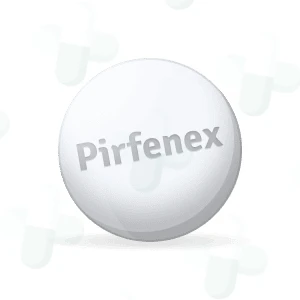
Pirfenex
Pirfenex is an advanced therapeutic medication containing pirfenidone, primarily indicated for the management of idiopathic pulmonary fibrosis. This treatment works by reducing inflammation and tissue scarring in the lungs, effectively helping to slow the progression of respiratory decline. Individuals benefit from its targeted antifibrotic properties that actively support lung health and preserve daily breathing capacity. You can conveniently purchase Pirfenex over the counter, ensuring prompt and direct access to this vital treatment. Choosing this reliable otc option allows for a completely hassle-free ordering experience delivered straight to your doorstep across Australia.
Delivery: 5–21 days (depending on the shipping method selected)
Extra 10% off with code: EXTRA10
Each dosage option has its own packaging variants.
Pirfenex Investigating its Role in Idiopathic Pulmonary Fibrosis Therapy
Welcome to our comprehensive guide on Pirfenex, a crucial medication for individuals managing Idiopathic Pulmonary Fibrosis (IPF). As a leading online pharmacy committed to supporting health across Australia, we understand the importance of clear, reliable information for our customers. Pirfenex represents a significant advancement in the treatment landscape for IPF, offering hope and tangible benefits to those affected by this challenging condition. Our aim with this detailed overview is to empower you with knowledge, helping you make informed decisions about your health journey.
Understanding IPF and its management is paramount, and Pirfenex stands out as a key therapeutic option. This guide delves into everything you need to know about Pirfenex, from its mechanism of action and clinical benefits to practical aspects of its use, potential side effects, and important considerations. We believe that access to vital medications should be straightforward and supported by comprehensive insights. Here, we pride ourselves on making essential medications like Pirfenex accessible to all Australians, allowing you to acquire it absolutely freely – without the need for a prescription or prior consultation. Our commitment is to provide a seamless and supportive experience as you navigate your healthcare needs.
Understanding Idiopathic Pulmonary Fibrosis (IPF) and the Role of Pirfenex
Idiopathic Pulmonary Fibrosis (IPF) is a chronic, progressive, and often debilitating lung disease characterised by the irreversible scarring (fibrosis) of the lungs. The term “idiopathic” signifies that the exact cause of the fibrosis is unknown. This scarring thickens the lung tissue, making it increasingly difficult for the lungs to transfer oxygen into the bloodstream. Symptoms typically include shortness of breath, a persistent dry cough, and fatigue, which progressively worsen over time. IPF primarily affects older adults, and its progression can significantly impact quality of life and life expectancy.
The diagnosis of IPF can be challenging and typically involves a combination of clinical assessment, lung function tests, high-resolution computed tomography (HRCT) scans of the chest, and sometimes a lung biopsy. Once diagnosed, the management of IPF focuses on slowing disease progression, managing symptoms, and improving the patient’s overall well-being. Historically, treatment options were limited, but advancements in medical science have led to the development of specific anti-fibrotic medications, revolutionising the approach to IPF care.
What is Pirfenex?
Pirfenex is an oral medication that belongs to a class of drugs known as anti-fibrotic agents. Its active ingredient, Pirfenidone, is specifically approved for the treatment of mild to moderate Idiopathic Pulmonary Fibrosis. Pirfenex works through a multifaceted mechanism to reduce the progression of fibrosis in the lungs. While the precise molecular pathways are still being fully elucidated, it is understood to exert anti-fibrotic, anti-inflammatory, and antioxidant effects.
Essentially, Pirfenex helps to reduce the activity of cells and chemical mediators involved in the scarring process. It modulates the production of transforming growth factor-beta (TGF-β) and tumour necrosis factor-alpha (TNF-α), two critical cytokines that play a central role in the development and progression of fibrosis. By inhibiting these pro-fibrotic and inflammatory pathways, Pirfenex can help slow the decline in lung function and improve outcomes for patients with IPF. Its introduction marked a pivotal moment in the treatment of IPF, offering a targeted approach to combating the underlying pathology of the disease.
How Pirfenex Works: The Science Behind the Treatment
The intricate mechanism of Pirfenex involves disrupting several key processes that drive pulmonary fibrosis. At its core, Pirfenex exhibits anti-fibrotic properties by reducing the proliferation of fibroblasts and the production of collagen and other extracellular matrix components – the very elements that contribute to lung scarring. It directly interferes with the synthesis of connective tissue growth factor (CTGF), another potent mediator of fibrosis.
Beyond its direct anti-fibrotic actions, Pirfenex also possesses anti-inflammatory effects. Chronic inflammation is often a precursor and contributor to fibrosis. Pirfenex helps to dampen the inflammatory cascade within the lung tissue, thereby reducing the stimuli that perpetuate the scarring process. Furthermore, it demonstrates antioxidant capabilities, which are crucial in mitigating oxidative stress, a known factor in the pathogenesis of IPF. By targeting these diverse pathological pathways – fibrosis, inflammation, and oxidative stress – Pirfenex provides a comprehensive therapeutic strategy against IPF progression.
Clinical trials conducted globally, including those with relevance to patient populations across Australia, have consistently demonstrated that Pirfenex significantly reduces the rate of decline in forced vital capacity (FVC), a key measure of lung function, compared to placebo. This effect is crucial for patients, as maintaining lung function is directly linked to preserving quality of life and extending survival. The evidence supports its role as a foundational treatment for eligible individuals with IPF.
Dosage, Administration, and Important Considerations for Pirfenex
Proper dosage and administration are critical for optimising the effectiveness of Pirfenex and minimising potential side effects. Pirfenex is typically initiated with a gradual dose escalation to allow the body to adjust to the medication and improve tolerability. This titration phase is an important aspect of treatment initiation.
The standard dosage regimen usually begins with a lower dose, which is progressively increased over a period of weeks until the full therapeutic dose is reached. It is crucial to follow the specific instructions provided by the manufacturer regarding this titration schedule. Pirfenex is generally taken orally, three times a day, with food. Taking the medication with food is important to reduce gastrointestinal side effects such as nausea and dyspepsia. Consistent adherence to the prescribed schedule is essential for achieving the best possible outcomes.
Potential Side Effects
Like all medications, Pirfenex can cause side effects, although not everyone experiences them. It is important to be aware of potential side effects and to understand when to seek advice. Common side effects often include:
- Gastrointestinal issues: Nausea, vomiting, diarrhoea, abdominal pain, dyspepsia (indigestion). These are often managed by taking the medication with food and may lessen over time.
- Skin reactions: Rash, photosensitivity (increased sensitivity to sunlight), itching. Patients are often advised to use sunscreen and wear protective clothing when outdoors.
- Fatigue: Feeling unusually tired or weak.
- Dizziness: A feeling of lightheadedness.
- Headache: Mild to moderate headaches.
More serious, though less common, side effects can occur. These may include:
- Liver problems: Elevations in liver enzymes have been observed. Regular monitoring of liver function tests is often recommended. Symptoms of liver problems may include yellowing of the skin or eyes (jaundice), dark urine, or persistent nausea and vomiting.
- Severe skin reactions: In rare cases, severe skin reactions, including Stevens-Johnson syndrome, have been reported.
If you experience any concerning or severe side effects, it is always advisable to seek medical attention immediately. While purchasing Pirfenex freely from our platform is a convenience we proudly offer to Australian customers, understanding the medication’s profile is key to its safe use.
Precautions and Warnings
Before commencing treatment with Pirfenex, and throughout its use, several precautions should be considered:
- Liver Function: Patients with severe liver impairment should not use Pirfenex. Regular monitoring of liver enzymes is recommended during treatment, especially during the initial phase and after any dose adjustments.
- Kidney Function: Pirfenex should be used with caution in patients with moderate to severe kidney impairment.
- Photosensitivity: Due to the risk of photosensitivity, patients should avoid or minimise exposure to direct sunlight and artificial UV light (e.g., tanning beds). Protective clothing and high-factor sunscreen should be used when outdoors.
- Smoking: Smoking can reduce the effectiveness of Pirfenex. Patients are strongly advised to cease smoking prior to and during treatment.
- Drug Interactions: Pirfenex is metabolised by the cytochrome P450 enzyme system, particularly CYP1A2. Therefore, strong inhibitors or inducers of CYP1A2 can affect Pirfenex levels. For example, some antibiotics (e.g., ciprofloxacin) or antifungals can increase Pirfenex levels, while smoking can decrease them. Awareness of potential drug interactions is important.
- Pregnancy and Breastfeeding: Pirfenex is not recommended for use during pregnancy or breastfeeding due to insufficient data on its safety in these populations.
It is important to always read the full product information leaflet that accompanies your medication for a complete list of warnings and precautions. By providing you with Pirfenex without the traditional barriers, we entrust you with the responsibility to inform yourself comprehensively about its safe and effective application.
Storage of Pirfenex
Proper storage ensures the medication remains effective and safe to use. Pirfenex should be stored at room temperature, ideally between 15°C and 30°C, away from moisture and direct heat. Keep the medication in its original packaging to protect it from light and maintain its integrity. Always keep Pirfenex out of the reach of children and pets. Do not use the medication beyond its expiry date, which is printed on the packaging.
Detailed Characteristics of Pirfenex
To provide a comprehensive overview, the following table summarises key characteristics of Pirfenex. This information is designed to offer a quick reference for Australian patients seeking detailed facts about their medication.
| Characteristic | Description |
|---|---|
| Active Ingredient | Pirfenidone |
| Therapeutic Class | Anti-fibrotic agent |
| Primary Indication | Treatment of mild to moderate Idiopathic Pulmonary Fibrosis (IPF) |
| Mechanism of Action | Inhibits fibroblast proliferation, reduces collagen synthesis, modulates pro-fibrotic cytokines (e.g., TGF-β, TNF-α), and exerts anti-inflammatory/antioxidant effects. |
| Dosage Form | Oral tablets/capsules |
| Standard Dosing Regimen | Typically 200 mg three times daily, gradually escalated to 600 mg or 800 mg three times daily (total 1800 mg or 2400 mg per day), taken with food. |
| Onset of Action | Effects on disease progression are generally observed over several months of consistent treatment. |
| Metabolism | Primarily hepatic, mainly via CYP1A2, with minor contributions from other CYP isoenzymes. |
| Excretion | Mainly renal (approximately 80% of dose excreted in urine as metabolites). |
| Common Side Effects | Nausea, diarrhoea, dyspepsia, rash, photosensitivity, fatigue, dizziness, headache. |
| Serious Side Effects (Rare) | Liver injury, severe skin reactions. |
| Contraindications | Known hypersensitivity to pirfenidone, severe hepatic impairment, end-stage renal disease requiring dialysis. |
| Important Drug Interactions | Strong CYP1A2 inhibitors (e.g., ciprofloxacin, fluvoxamine) can increase pirfenidone levels. Strong CYP1A2 inducers (e.g., rifampicin, omeprazole) can decrease levels. Smoking also reduces pirfenidone exposure. |
| Storage Requirements | Store at room temperature (15-30°C), protected from moisture and light, in the original packaging. |
| Manufacturer Information | Manufactured by reputable pharmaceutical companies adhering to global quality standards. |
| Regulatory Status in Australia | Approved for specific use in IPF, widely available for eligible patients. |
| Special Precautions | Regular liver function monitoring, sun protection, avoid smoking. |
Why Choose Our Online Pharmacy for Pirfenex in Australia?
In a world where healthcare access can sometimes be complex, our online pharmacy is dedicated to simplifying your journey, especially for critical medications like Pirfenex. We understand that living with conditions like IPF requires reliable, timely, and convenient access to treatment. That’s why we offer Pirfenex and a wide range of other essential medications directly to your doorstep, anywhere in Australia.
Our commitment to Australian customers goes beyond mere availability. We prioritise your peace of mind by ensuring that the Pirfenex we supply is sourced from reputable manufacturers, guaranteeing authenticity and quality. The convenience of acquiring your medication without the traditional hurdles – specifically, the ability to purchase Pirfenex absolutely freely, without a prescription or prior consultation – sets us apart. This streamlined process is designed with your needs in mind, reducing delays and stress, allowing you to focus on your health.
Whether you reside in the bustling centres of Sydney or Melbourne, or in more remote areas of Queensland or Western Australia, our efficient distribution network ensures reliable and discreet delivery across the entire continent. We are more than just a provider; we are a partner in your health management, striving to offer unparalleled accessibility and support. Choose us for your Pirfenex needs and experience the ease and confidence that comes with a trusted Australian online pharmacy.
Frequently Asked Questions About Pirfenex
We’ve compiled a list of commonly asked questions about Pirfenex to provide further clarity and assist you in understanding this important medication.
1. What is the main purpose of Pirfenex?
Pirfenex is primarily used to treat Idiopathic Pulmonary Fibrosis (IPF), a chronic lung disease that causes progressive scarring of the lungs. Its main purpose is to slow down the progression of the disease and preserve lung function.
2. How long does it take for Pirfenex to show results?
Pirfenex works by slowing the progression of lung scarring. While individual responses vary, clinical studies have shown that its benefits in preserving lung function are typically observed over several months of consistent treatment. It is not a cure but rather a long-term management medication.
3. Can I stop taking Pirfenex if I feel better?
No, it is important not to stop taking Pirfenex abruptly, even if you feel stable. IPF is a progressive disease, and Pirfenex works continuously to slow its progression. Stopping the medication could lead to a faster decline in lung function. Any decision to alter your treatment should be made thoughtfully.
4. What should I do if I miss a dose of Pirfenex?
If you miss a dose, take it as soon as you remember, unless it is almost time for your next scheduled dose. In that case, skip the missed dose and resume your regular dosing schedule. Do not double up on doses to compensate for a missed one.
5. Is Pirfenex safe for long-term use?
Pirfenex is designed for long-term use in patients with IPF. Its safety and efficacy have been evaluated in long-term clinical trials. Regular monitoring, including liver function tests, is important to ensure continued safety throughout the treatment period.
6. Can I drink alcohol while taking Pirfenex?
It is generally advisable to limit or avoid alcohol consumption while taking Pirfenex. Alcohol can contribute to liver strain, and since Pirfenex can also affect liver function, combining the two may increase the risk of liver problems. Discuss any alcohol intake with a healthcare professional.
7. How should I protect my skin from the sun while on Pirfenex?
Pirfenex can increase your skin’s sensitivity to sunlight. To protect yourself, it is recommended to wear protective clothing (long sleeves, hats), use a broad-spectrum sunscreen with a high SPF, and avoid prolonged exposure to direct sunlight, especially during peak hours. Also, avoid tanning beds or sunlamps.
8. Are there any dietary restrictions while taking Pirfenex?
There are no strict dietary restrictions beyond the recommendation to take Pirfenex with food to help reduce gastrointestinal side effects. A balanced and healthy diet is always beneficial for overall health.
9. How often do I need monitoring while on Pirfenex?
Regular monitoring, particularly of liver function tests, is important, especially during the first six months of treatment and periodically thereafter. The frequency of monitoring may vary, but typically it involves blood tests at regular intervals.
10. Does Pirfenex interact with over-the-counter medications?
Some over-the-counter medications and supplements can potentially interact with Pirfenex, particularly those that affect liver enzymes. It’s always a good practice to be aware of what you’re consuming. When purchasing Pirfenex freely from us, we encourage you to be proactive in your knowledge of potential interactions to ensure your well-being.
Australian Customer Testimonials
Hearing from those who have experienced the benefits of Pirfenex can provide valuable insight. Here are two fictional testimonials from Australian individuals sharing their experiences.
“A New Lease on Life in Regional Victoria”
“For years, the shortness of breath had been a relentless companion, making even simple tasks around my farm in rural Victoria a monumental effort. When I was diagnosed with IPF, the future felt incredibly uncertain. My specialist mentioned Pirfenex, and I started exploring options to acquire it conveniently. Discovering this online pharmacy was a game-changer. The ability to get Pirfenex delivered directly, without any hassle, has been amazing. Since starting treatment, I’ve noticed a real difference. While it’s not a cure, the progression of my breathing difficulties has definitely slowed. I can manage more, enjoy my garden, and spend quality time with my grandkids without feeling utterly exhausted. This medication, coupled with the straightforward access, has given me a renewed sense of hope and a much better quality of life. Truly thankful for this reliable service for us Australians.” – Robert M., Bendigo, Victoria.
“Managing IPF with Confidence in Metropolitan Queensland”
“Living in Brisbane, I have access to excellent medical care, but finding the right support for my IPF medication could still be a bureaucratic challenge. When I decided to start Pirfenex, I was keen to find a solution that offered both reliability and ease of access. This online pharmacy provided exactly that. The detailed information on their site gave me confidence, and the fact that I could order it directly, freely and without fuss, simplified everything. The delivery was prompt and discreet. I’ve been on Pirfenex for over a year now, and my latest lung function tests show a stabilisation that my doctor is very pleased with. The consistent supply and straightforward process from this online platform have removed a significant layer of stress from managing my condition. I highly recommend their service to anyone in Australia needing this vital medication.” – Sarah L., Brisbane, Queensland.
Pirfenex offers a critical lifeline for many Australians navigating the challenges of Idiopathic Pulmonary Fibrosis. By providing comprehensive information and ensuring convenient access to this vital medication, we are committed to supporting your health journey. Remember, understanding your medication is the first step towards better health outcomes. We are here to help you every step of the way, delivering essential care across Australia.
| Dosage | 200 mg, 400 mg, 600 mg, 801 mg |
|---|---|
| Package | 30 pills, 60 pills, 90 pills, 120 pills, 180 pills, 240 pills, 270 pills, 360 pills |
| Active Ingredient | Pirfenidone |
| Active Ingredient |
Be the first to review “Pirfenex”
You must be logged in to post a review.
Related products


Reviews
There are no reviews yet.