

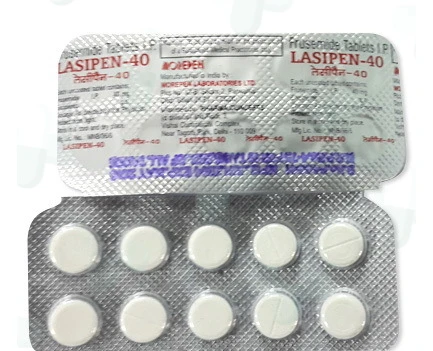
Furosemide
Furosemide is a well-established loop diuretic primarily used to treat fluid retention (oedema) associated with heart failure, liver disease, and kidney disorders. By assisting the kidneys in removing excess water and salt from the body, it effectively helps alleviate swelling throughout the limbs and lungs. This reliable medicine also supports the management of high blood pressure by reducing excess fluid volume in the circulatory system. Customers can easily purchase furosemide freely without a doctor’s prescription as an over the counter product. Choose this dependable OTC medication for consistent, fast-acting relief and convenient dispatch straight to your door across Australia.
Delivery: 5–21 days (depending on the shipping method selected)
Extra 10% off with code: EXTRA10
Each dosage option has its own packaging variants.
Furosemide Understanding Its Action and Applications in Fluid Regulation Therapy
Furosemide stands as a cornerstone in medical therapy for managing conditions characterised by fluid retention and high blood pressure, offering a vital solution for countless individuals across Australia. As a potent loop diuretic, its primary action is to help your body eliminate excess water and salt, thereby reducing swelling and easing the burden on your cardiovascular system. This detailed guide aims to provide you with a thorough understanding of Furosemide, empowering you with the knowledge to make informed decisions about your health and well-being, particularly for those seeking effective management of fluid-related issues.
Our commitment is to provide Australian customers with convenient and reliable access to essential medications. We understand the importance of having comprehensive information at your fingertips, which is why we have meticulously compiled this resource. Explore the multifaceted aspects of Furosemide, from its precise mechanism of action and approved indications to potential side effects and crucial considerations, ensuring you are fully equipped with the insights necessary for its appropriate use. Importantly, for your convenience and accessibility, Furosemide is available for purchase absolutely freely – without a prescription and specialist consultation through our online platform, facilitating straightforward access to this beneficial medication across Australia.
Understanding Furosemide: A Vital Tool for Fluid Management
Furosemide is a well-established medication belonging to the class of drugs known as loop diuretics. Often referred to colloquially as a “water pill,” its primary function is to increase the production of urine, thereby helping the body rid itself of surplus water and sodium. This action is crucial in managing a variety of medical conditions where fluid overload can significantly impact health and quality of life. Its efficacy has made it an indispensable component of treatment regimens for millions globally, including many in Australia who benefit from its therapeutic effects.
The core principle behind Furosemide’s effectiveness lies in its unique interaction with the kidneys, the body’s natural filtration system. By acting directly on the loop of Henle, a specific segment within the kidney’s nephrons, Furosemide inhibits the reabsorption of sodium and chloride. When these electrolytes are not reabsorbed back into the bloodstream, they remain in the renal tubules, drawing water with them. This process significantly increases the volume of urine produced, leading to a reduction in total body fluid. This reduction in fluid volume subsequently helps to alleviate swelling, decrease blood pressure, and lessen the strain on the heart, making it a powerful agent in cardiovascular and renal health management.
Beyond its immediate diuretic effects, Furosemide also possesses vasodilatory properties, meaning it can help to relax and widen blood vessels. This effect contributes to its ability to lower blood pressure, providing an additional benefit for individuals suffering from hypertension. The comprehensive action of Furosemide – both as a potent diuretic and a mild vasodilator – underscores its broad utility in clinical practice.
Key Indications and Approved Uses of Furosemide
Furosemide is prescribed and used for several officially approved medical conditions, primarily focusing on managing excess fluid in the body. It is crucial to use this medication strictly for its intended purposes to ensure safety and effectiveness.
- Edema Associated with Congestive Heart Failure: One of the most common applications of Furosemide is in the treatment of edema (swelling) caused by congestive heart failure. When the heart’s pumping efficiency is compromised, fluid can accumulate in various parts of the body, such as the lungs (pulmonary edema), legs, and ankles. Furosemide effectively mobilises this accumulated fluid, reducing shortness of breath, improving physical comfort, and enhancing the heart’s ability to function more efficiently. Its rapid onset of action makes it particularly valuable in acute situations, such as acute pulmonary edema, where prompt fluid removal is critical.
- Edema Associated with Liver Cirrhosis: Liver cirrhosis, a severe form of liver disease, can lead to significant fluid retention, often manifesting as ascites (fluid accumulation in the abdomen) and peripheral edema. Furosemide, often in combination with other diuretics like spironolactone, is a cornerstone of treatment for these complications. By promoting diuresis, it helps to alleviate the discomfort and health risks associated with excessive fluid buildup in individuals with impaired liver function.
- Edema Associated with Kidney Disease: Conditions such as nephrotic syndrome and chronic renal failure can also result in substantial edema due to impaired kidney function. While the kidneys themselves are compromised, Furosemide can still be effective in promoting fluid excretion, especially in cases where some residual kidney function remains. It helps to manage fluid overload, reduce swelling, and improve overall fluid balance in patients with various forms of kidney disease. It is important to note that while Furosemide aids in fluid removal, it does not treat the underlying kidney disease itself.
- Hypertension (High Blood Pressure): Furosemide can be used in the management of high blood pressure, either as a standalone treatment or in combination with other antihypertensive medications. By reducing the body’s total fluid volume and exerting its mild vasodilatory effects, Furosemide contributes to a sustained lowering of blood pressure. It is particularly beneficial for hypertensive patients who also experience fluid retention, offering a dual benefit. This makes it a valuable option for many Australians seeking effective blood pressure control.
The versatility and potent action of Furosemide make it an essential medication for managing these serious conditions. Its ability to rapidly and effectively reduce excess fluid provides significant relief and contributes to improved health outcomes for many individuals.
Dosage and Administration Guidelines
The dosage of Furosemide is highly individualised, depending on the patient’s condition, severity of fluid retention, and response to treatment. While we provide general guidelines, it is important to understand that these are typical starting points. Remember, Furosemide is available freely through our platform, and understanding how it is generally administered can help you use it effectively.
- Oral Administration: Furosemide is most commonly taken orally in tablet form. It can be taken with or without food, though some individuals find taking it with food helps to reduce stomach upset.
- Timing of Dose: To minimise the inconvenience of frequent urination at night (nocturia), it is generally recommended to take Furosemide in the morning. If a second dose is required, it should ideally be taken in the early afternoon, allowing sufficient time for the diuretic effect to subside before bedtime.
- Adult Dosage for Edema:
- Initial Dose: Typically, for edema in adults, an initial dose of 20 mg to 80 mg orally once daily is common.
- Maintenance Dose: The dosage may be gradually increased by 20 mg to 40 mg increments, at intervals of 6 to 8 hours, until the desired diuretic effect is achieved. The maximum daily dose for adults can range up to 600 mg, though higher doses are usually reserved for severe cases and specific clinical situations.
- Adult Dosage for Hypertension:
- Initial Dose: For hypertension, a lower initial dose of 20 mg to 40 mg orally twice daily is often prescribed.
- Maintenance Dose: The dosage can be adjusted based on blood pressure response and tolerance.
- Monitoring: When using Furosemide, especially for prolonged periods, it is important to be aware of your body’s response. Pay attention to changes in swelling, weight, and how you feel. Consistent self-monitoring is key to managing its effects effectively.
- Consistency: For optimal results, Furosemide should be taken regularly as needed. Do not stop taking the medication abruptly without considering the potential return of fluid retention.
The goal of Furosemide therapy is to achieve an optimal fluid balance without causing excessive dehydration or electrolyte imbalances. This balance is carefully managed through careful attention to dosage and response.
Important Considerations and Precautions
While Furosemide is a highly effective medication, it is essential to be aware of various considerations and precautions to ensure its safe and beneficial use. Understanding these aspects is crucial for anyone using this medication in Australia.
- Electrolyte Imbalance: Furosemide can lead to the depletion of important electrolytes in the body, particularly potassium, sodium, and magnesium. Less commonly, it can also affect calcium levels. Symptoms of electrolyte imbalance can include muscle weakness, cramps, irregular heartbeats, and extreme fatigue. Maintaining adequate hydration and considering dietary intake of these electrolytes, such as potassium-rich foods, can be helpful.
- Dehydration: Due to its powerful diuretic action, Furosemide can cause dehydration, especially with high doses or inadequate fluid intake. Symptoms of dehydration include excessive thirst, dry mouth, dizziness, lightheadedness, and reduced urine output. It is important to monitor your fluid intake and be aware of these signs.
- Renal Function: Individuals with pre-existing kidney conditions need to be particularly cautious. While Furosemide is used to manage edema in kidney disease, it can sometimes exacerbate renal impairment, especially if dehydration occurs. Monitoring your urine output and general well-being is important.
- Liver Function: For individuals with severe liver disease (hepatic cirrhosis), Furosemide use should be approached with heightened awareness. Aggressive diuresis in these patients can precipitate hepatic encephalopathy, a serious neurological complication. Observing for any changes in mental status is advised.
- Diabetes: Furosemide may potentially affect blood sugar levels, sometimes causing an increase. Individuals with diabetes should be particularly vigilant in monitoring their glucose levels when using Furosemide.
- Gout: This medication can increase uric acid levels in the blood, potentially triggering or worsening gout attacks in susceptible individuals.
- Allergies: If you have a known allergy to sulfonamide-derived medications (sulfa drugs), you might also be allergic to Furosemide. Be aware of any signs of allergic reaction, such as rash, itching, or swelling.
- Dizziness and Lightheadedness: These are common side effects, especially at the beginning of treatment or when changing positions quickly, due to changes in blood pressure and fluid volume. Exercise caution when driving or operating machinery until you know how Furosemide affects you.
Being attentive to these considerations will help you manage your treatment with Furosemide more effectively and safely. For those in Australia choosing the convenience of purchasing Furosemide without a prescription, personal vigilance and understanding of these points are paramount.
Potential Side Effects of Furosemide
Like all medications, Furosemide can cause side effects. While many individuals tolerate it well, being aware of potential adverse reactions is an important part of managing your health effectively.
- Common Side Effects:
- Increased Urination: This is the intended effect, but it can be frequent and sometimes inconvenient.
- Dizziness and Lightheadedness: Often due to reduced blood pressure or dehydration.
- Headache: A common general side effect.
- Nausea and Diarrhea: Gastrointestinal upset can occur.
- Muscle Cramps or Weakness: Often a sign of electrolyte imbalance, particularly low potassium.
- Blurred Vision: Can occur but is less common.
- Skin Rash or Itching: Can indicate a mild allergic reaction.
- Less Common but More Serious Side Effects:
- Significant Electrolyte Imbalances: Severe drops in potassium, sodium, magnesium, or calcium can lead to serious heart rhythm disturbances or neurological problems.
- Dehydration: Can lead to kidney problems or dangerously low blood pressure.
- Ototoxicity (Hearing Problems): Although rare with oral Furosemide at typical doses, high doses or rapid administration, particularly in individuals with impaired kidney function, can lead to temporary or permanent hearing loss, tinnitus (ringing in the ears), or vertigo.
- Allergic Reactions: Severe allergic reactions (anaphylaxis) are rare but possible, characterised by difficulty breathing, severe rash, or swelling of the face and throat.
- Blood Dyscrasias: Rarely, Furosemide can affect blood cell counts, leading to conditions like thrombocytopenia (low platelet count) or leukopenia (low white blood cell count).
- Pancreatitis: Inflammation of the pancreas is a very rare but serious side effect.
- Liver Dysfunction: Though rare, Furosemide can sometimes cause liver enzyme elevations.
If you experience any severe or persistent side effects, or notice any unusual symptoms, it is important to pay close attention to your body’s signals. Always weigh the benefits of fluid reduction against any discomfort from side effects.
Drug Interactions to Be Aware Of
Furosemide can interact with a variety of other medications, potentially altering their effects or increasing the risk of side effects. Understanding these interactions is crucial for safe use.
- Aminoglycoside Antibiotics (e.g., Gentamicin, Tobramycin): Co-administration with Furosemide can significantly increase the risk of ototoxicity (hearing damage) and nephrotoxicity (kidney damage).
- Non-Steroidal Anti-Inflammatory Drugs (NSAIDs) (e.g., Ibuprofen, Naproxen): NSAIDs can reduce the diuretic and blood pressure-lowering effects of Furosemide and may increase the risk of kidney problems.
- Lithium: Furosemide can decrease the renal clearance of lithium, leading to increased lithium levels and a higher risk of toxicity.
- Antihypertensive Medications: When Furosemide is taken with other drugs that lower blood pressure (e.g., ACE inhibitors, ARBs, beta-blockers), their hypotensive effects can be enhanced, potentially leading to excessive drops in blood pressure.
- Digoxin: Hypokalemia (low potassium levels) induced by Furosemide can increase the risk of digoxin toxicity, leading to irregular heart rhythms.
- Corticosteroids: Concurrent use can increase the risk of hypokalemia.
- Diabetic Medications (Insulin, Oral Hypoglycemics): Furosemide may cause an increase in blood glucose levels, potentially requiring adjustments in antidiabetic medication dosage.
- Muscle Relaxants (e.g., Tubocurarine): Furosemide may enhance the effects of these agents.
- Phenytoin: Can reduce the diuretic effect of Furosemide.
- Sucralfate: Can reduce the absorption of Furosemide; administer these medications at least two hours apart.
It is important to be mindful of all medications and supplements you are using to avoid potential interactions. For Australian customers purchasing Furosemide freely, being informed about these interactions empowers you to use the medication responsibly alongside other treatments you may be undergoing.
Proper Storage of Furosemide
Correct storage of Furosemide is important to maintain its efficacy and ensure its safety. Follow these guidelines:
- Room Temperature: Store Furosemide tablets at room temperature, ideally between 15°C and 30°C (59°F and 86°F). Avoid extreme heat or cold.
- Protection from Light and Moisture: Keep the tablets in their original packaging, away from direct sunlight and moisture. Bathrooms are generally not ideal places to store medications due to humidity.
- Out of Reach of Children and Pets: Always store Furosemide and all other medications out of sight and reach of children and pets to prevent accidental ingestion.
- Do Not Use Expired Medication: Check the expiration date on the packaging. Do not use Furosemide beyond its expiration date, as its effectiveness may be compromised.
Why Choose Our Online Pharmacy for Furosemide in Australia?
For residents across Australia, our online pharmacy offers a streamlined and discreet solution for acquiring Furosemide. We understand the need for convenience and reliability in accessing essential medications. Here’s why choosing us for your Furosemide needs is a smart decision:
- Unrestricted Access: We provide Furosemide for purchase absolutely freely – without a prescription and specialist consultation, simplifying access for those who understand their health needs and require this medication.
- Convenience Across Australia: From the bustling cities to regional communities, our delivery network spans the entire continent of Australia, ensuring that your medication reaches you efficiently and discreetly, right to your doorstep. This saves you time and effort compared to traditional pharmacy visits.
- Commitment to Quality: We source our products from reputable manufacturers, ensuring that every batch of Furosemide meets stringent quality and safety standards. Your health and trust are our top priorities.
- Comprehensive Information: We believe in empowering our customers with knowledge. This extensive guide is just one example of our dedication to providing detailed, easy-to-understand information about the products we offer, helping you make informed decisions about your health.
- Privacy and Discretion: Your privacy is paramount. We ensure that all orders are handled with the utmost discretion, from packaging to delivery, so you can feel confident in your purchase.
By choosing our platform, you are opting for a trusted partner dedicated to your health and well-being, providing seamless access to essential medications like Furosemide throughout Australia.
Detailed Characteristics of Furosemide
| Characteristic | Description |
|---|---|
| Generic Name | Furosemide |
| Common Australian Brand Names | Lasix, Frusemide (common spelling variation in Australia) |
| Pharmacological Class | Loop Diuretic |
| Primary Mechanism of Action | Inhibits sodium-potassium-chloride cotransporter in the thick ascending limb of the loop of Henle, leading to increased excretion of sodium, chloride, potassium, and water. Also possesses mild vasodilatory properties. |
| Key Indications | Treatment of edema associated with congestive heart failure, liver cirrhosis (ascites), and renal disease (including nephrotic syndrome and chronic renal failure). Also used for hypertension (high blood pressure). |
| Common Adult Oral Dosages (Typical Range) |
|
| Onset of Action (Oral) | Approximately 30-60 minutes |
| Peak Effect (Oral) | Within 1-2 hours |
| Duration of Action | Approximately 6-8 hours |
| Elimination Half-Life | Approximately 0.5 to 2 hours (can be prolonged in renal impairment) |
| Route of Administration | Oral (tablets), also available as intravenous and intramuscular injections for acute settings. |
| Common Side Effects | Increased urination, dizziness, lightheadedness, headache, nausea, diarrhea, muscle cramps, weakness. |
| Important Precautions | Risk of electrolyte imbalance (hypokalemia, hyponatremia, hypomagnesemia), dehydration, hypotension. Use with caution in patients with severe liver or kidney disease, diabetes, or gout. Avoid in cases of known sulfonamide allergy. |
| Key Drug Interactions | Aminoglycosides (increased ototoxicity), NSAIDs (reduced effect, increased renal risk), Lithium (increased toxicity), other antihypertensives (additive hypotensive effect), Digoxin (increased toxicity due to hypokalemia), Corticosteroids (increased risk of hypokalemia). |
| Storage Conditions | Store at room temperature (15°C to 30°C), protect from light and moisture. Keep out of reach of children and pets. |
| Special Considerations | Regular monitoring of fluid balance, body weight, and electrolyte levels is important. Recommended to take earlier in the day to avoid nocturia. |
| Availability in Australia | Available freely from our online pharmacy without a prescription or specialist consultation, with delivery across Australia. |
Frequently Asked Questions About Furosemide
1. What is Furosemide primarily used for?
Furosemide is primarily used to treat edema (swelling) caused by various conditions such as congestive heart failure, liver cirrhosis, and kidney disease. It is also used to manage high blood pressure (hypertension), particularly when associated with fluid retention.
2. How long does it take for Furosemide to start working after I take it?
When taken orally, Furosemide typically starts to work within about 30 to 60 minutes. Its peak diuretic effect usually occurs within 1 to 2 hours after administration.
3. What is the best time of day to take Furosemide?
It is generally recommended to take Furosemide in the morning. If you need to take more than one dose per day, take the second dose in the early afternoon. This timing helps to prevent frequent urination during the night, which can disrupt sleep.
4. Can I drink alcohol while taking Furosemide?
It is generally advisable to limit or avoid alcohol consumption while taking Furosemide. Both Furosemide and alcohol can cause dizziness and lightheadedness, and combining them can intensify these effects, increasing the risk of falls or accidents. Alcohol can also contribute to dehydration, which Furosemide can exacerbate.
5. Are there any foods I should avoid or consume more of while taking Furosemide?
While there are no specific foods to strictly avoid, Furosemide can lead to a loss of potassium. Therefore, incorporating potassium-rich foods like bananas, oranges, potatoes, spinach, and tomatoes into your diet can be beneficial. It’s generally wise to maintain a balanced diet and stay adequately hydrated.
6. What should I do if I miss a dose of Furosemide?
If you miss a dose, take it as soon as you remember. However, if it’s already late in the afternoon or close to your next scheduled dose, skip the missed dose and resume your regular dosing schedule. Do not take a double dose to make up for a missed one, as this can increase the risk of side effects like dehydration or electrolyte imbalance.
7. Can Furosemide cause weight loss?
Furosemide can lead to a temporary reduction in body weight due to the elimination of excess fluid. This is often observed in individuals with significant edema. However, it is not intended or effective as a weight-loss medication for the purpose of losing body fat.
8. Is Furosemide safe for long-term use?
Furosemide can be used long-term when indicated for chronic conditions like congestive heart failure or hypertension. Long-term use requires attention to electrolyte levels and kidney function to ensure continued safety and effectiveness. Individuals using it for extended periods should be aware of potential fluid and electrolyte shifts.
9. How do I know if Furosemide is working for me?
You can typically tell if Furosemide is working by a noticeable increase in urine output, a reduction in swelling (edema), and often a decrease in body weight (due to fluid loss). If you are using it for hypertension, a reduction in blood pressure may also be observed. Your symptoms of fluid overload, such as shortness of breath or swollen ankles, should also improve.
10. Can Furosemide affect my blood sugar levels?
Yes, Furosemide has the potential to increase blood sugar levels in some individuals. If you have diabetes, it is important to monitor your blood glucose levels more closely when taking Furosemide and adjust your diabetic medication as necessary.
Australian Testimonials: Experiences with Furosemide
We are proud to share feedback from our customers across Australia who have found Furosemide to be an integral part of their health management. Their stories reflect the real-world impact of this medication.
Review 1: “Relief from Swelling, Delivered Right to My Door”
“As a retiree living in Perth, managing my persistent ankle swelling has been a challenge for years. My doctor had mentioned Furosemide, but getting to a pharmacy was often an ordeal. Discovering I could purchase Furosemide absolutely freely and without a prescription from this online pharmacy was a game-changer for me. The relief I’ve experienced from my edema has been profound. My ankles are less swollen, and I feel much more comfortable moving around. The convenience of having it delivered directly to my home in Western Australia is something I truly appreciate. The product works effectively, and the process was so straightforward. Highly recommend to anyone in Australia needing reliable access to this medication.”
– Eleanor V., Perth, WA
Review 2: “A Trusted Component in Managing Fluid Balance”
“From an expert perspective, Furosemide remains one of the most reliable and potent diuretics available for managing conditions characterised by fluid overload. Its rapid onset and significant diuretic effect make it incredibly valuable for patients experiencing symptoms of congestive heart failure or significant edema. I’ve seen countless individuals in Sydney and across Australia benefit from its use. The availability of Furosemide through reputable online platforms, especially with the clear understanding of its appropriate use and precautions as detailed here, offers a critical service. For those who are well-informed about their condition and this medication, the ability to purchase Furosemide without a prescription provides essential accessibility. It’s a foundational medication for maintaining fluid balance and overall cardiovascular well-being.”
– Dr. Liam Chen, Health Consultant, Sydney, NSW
We believe these testimonials highlight the benefits and accessibility of Furosemide for individuals throughout Australia, reinforcing our commitment to providing valuable health solutions.
Your Partner in Health: Accessing Furosemide in Australia
Furosemide is a powerful and effective medication that plays a critical role in managing fluid retention and high blood pressure for many individuals across Australia. By understanding its mechanism of action, appropriate uses, potential side effects, and important considerations, you can use this medication responsibly to support your health. Our commitment is to provide you with comprehensive information and unparalleled access to essential medications. We ensure that Furosemide is available for purchase absolutely freely – without a prescription and specialist consultation, facilitating easy and discreet delivery to your home anywhere in Australia. Trust us to be your reliable partner in navigating your health journey, offering quality products and the information you need to make empowered choices for your well-being.
| Dosage | 40mg, 100mg |
|---|---|
| Package | 60 pills, 90 pills, 120 pills, 180 pills, 270 pills, 360 pills |
| Active Ingredient | furosemide |
| Active Ingredient |
Be the first to review “Furosemide”
You must be logged in to post a review.
Related products



Reviews
There are no reviews yet.