

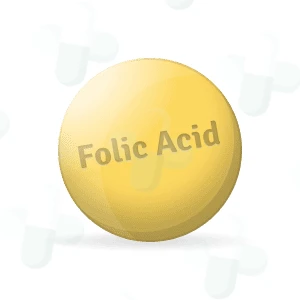
Folic Acid

Folic acid is an essential B-group vitamin that plays a vital role in healthy red blood cell formation and overall wellbeing. It is especially beneficial for women during preconception and early pregnancy to support healthy foetal development. This supplement is freely available over the counter, allowing you to order directly online with complete ease. Choosing this high-quality OTC option provides an effective way to maintain optimal daily folate levels and cellular health. Support your everyday vitality and nutritional balance by adding folic acid to your daily wellness regimen.
Delivery: 5–21 days (depending on the shipping method selected)
Extra 10% off with code: EXTRA10
Each dosage option has its own packaging variants.
Folic Acid’s Role in Human Health and Development From Cells to Cognition
Folic Acid, also known as Vitamin B9, is a water-soluble vitamin playing a crucial role in numerous bodily functions. It is fundamental for cell growth, DNA synthesis, and the formation of red blood cells. From supporting healthy pregnancies to contributing to cardiovascular health and cognitive function, Folic Acid is an indispensable nutrient for individuals of all ages across Australia. Understanding its profound impact on your health can empower you to make informed decisions about your nutritional intake, ensuring your body has the building blocks it needs to thrive.
At our online pharmacy, we understand the importance of convenient and reliable access to essential health supplements. That’s why we make it straightforward for you to obtain high-quality Folic Acid. You can purchase this vital supplement absolutely freely, without the need for a prescription or a prior specialist consultation. We are committed to supporting the health needs of Australians, delivering directly to your door, whether you reside in the bustling cities or the most remote corners of our vast continent.
The Profound Benefits of Folic Acid for Optimal Health
Folic Acid’s benefits extend far beyond its widely known role in pregnancy. Its fundamental involvement in cellular processes means it supports a broad spectrum of physiological functions, contributing significantly to overall well-being. Ensuring adequate Folic Acid intake is a proactive step towards maintaining a healthy and vibrant life.
Supporting Healthy Pregnancy and Foetal Development
Perhaps the most critical and well-documented benefit of Folic Acid is its role in preventing neural tube defects (NTDs) in unborn babies. The neural tube develops into the brain and spinal cord, and its proper formation is vital in the very early stages of pregnancy, often before a woman even knows she is pregnant. Supplementing with Folic Acid before conception and throughout the first trimester significantly reduces the risk of serious birth defects such as spina bifida and anencephaly. Public health campaigns across Australia strongly recommend Folic Acid supplementation for all women of childbearing age who could become pregnant. This proactive approach ensures optimal levels are present during the critical period of neural tube closure, offering the best possible start for a developing baby.
Red Blood Cell Formation and Anaemia Prevention
Folic Acid is indispensable for the production of healthy red blood cells. These cells are responsible for carrying oxygen throughout the body. A deficiency in Folic Acid can lead to megaloblastic anaemia, a condition characterised by unusually large, immature red blood cells that cannot function effectively. Symptoms of Folic Acid deficiency anaemia can include fatigue, weakness, shortness of breath, and pale skin. Adequate Folic Acid intake ensures your body can produce enough healthy red blood cells, maintaining energy levels and vital organ function. This is particularly important for individuals with increased cellular turnover or those whose diets may not provide sufficient amounts of this essential nutrient.
Cardiovascular Health and Homocysteine Levels
Emerging research suggests a compelling link between Folic Acid and cardiovascular health. Folic Acid, along with Vitamins B6 and B12, plays a crucial role in the metabolism of homocysteine, an amino acid found in the blood. Elevated levels of homocysteine are considered a risk factor for heart disease and stroke. Folic Acid helps to convert homocysteine into other substances, thereby lowering its concentration in the blood. By contributing to healthy homocysteine levels, Folic Acid can be a valuable component of a comprehensive strategy for maintaining a healthy heart and circulatory system, a concern for many Australians.
Cognitive Function and Mental Well-being
Folic Acid’s role in neurotransmitter synthesis and nervous system health extends to cognitive function and mental well-being. It is involved in the production of brain chemicals that regulate mood, sleep, and appetite. Some studies have indicated a potential link between low Folic Acid levels and cognitive decline, particularly in older adults. While more research is ongoing, ensuring adequate Folic Acid intake may support healthy brain function and contribute to a balanced mood, helping you maintain mental clarity and vitality.
Cell Growth and Tissue Repair
Given its fundamental role in DNA synthesis and cell division, Folic Acid is essential for all processes involving rapid cell growth and tissue repair. This includes the healthy growth of hair, skin, and nails, as well as the renewal of cells in the gastrointestinal tract and immune system. From childhood development to supporting the body’s repair mechanisms throughout adulthood, Folic Acid is a foundational nutrient that underpins the body’s ability to regenerate and maintain itself.
Understanding How Folic Acid Works
To fully appreciate the importance of Folic Acid, it’s helpful to understand its mechanism of action within the body. When you consume Folic Acid, it needs to be converted into its metabolically active form, known as L-methylfolate (or 5-MTHF), to be utilised by the body. This conversion process is crucial for its various functions.
Once converted, L-methylfolate participates as a coenzyme in a process called one-carbon metabolism. This metabolic pathway is vital for:
- DNA and RNA Synthesis: Folic Acid is a fundamental building block for purines and pyrimidines, the bases that make up DNA and RNA. Without sufficient Folic Acid, cells cannot properly replicate their genetic material, which impairs cell division and growth. This is why it’s so critical during periods of rapid growth, such as pregnancy and infancy.
- Amino Acid Metabolism: Folic Acid is involved in the conversion of one amino acid to another. As previously mentioned, one of its most critical roles here is the conversion of homocysteine to methionine, an essential amino acid. This process helps regulate homocysteine levels, impacting cardiovascular health.
- Red Blood Cell Maturation: Folic Acid is essential for the maturation process of red blood cells in the bone marrow. A deficiency leads to the production of large, immature red blood cells (megaloblasts) that are characteristic of megaloblastic anaemia.
- Neurotransmitter Production: Folic Acid contributes to the synthesis of several neurotransmitters, including serotonin, dopamine, and norepinephrine, which are crucial for mood regulation, sleep, and cognitive function.
Because Folic Acid is water-soluble, it is not stored in large amounts in the body and needs to be replenished regularly through diet or supplementation. This highlights why consistent intake is more beneficial than intermittent consumption.
Who Can Benefit Most from Folic Acid Supplementation?
While Folic Acid is beneficial for everyone, certain groups of people have increased needs or are at a higher risk of deficiency, making supplementation particularly important:
- Women Planning Pregnancy or Who Are Pregnant: This is the most crucial group. As discussed, Folic Acid supplementation before and during early pregnancy drastically reduces the risk of neural tube defects.
- Individuals with Folic Acid Deficiency Anaemia: Those diagnosed with this condition will require supplementation to restore healthy red blood cell levels.
- People with Malabsorption Disorders: Conditions like Crohn’s disease, coeliac disease, or ulcerative colitis can impair the absorption of Folic Acid from food, necessitating supplementation.
- Individuals Taking Certain Medications: Some medications, including certain anti-seizure drugs (e.g., phenytoin, carbamazepine), methotrexate (used for arthritis or cancer), and some diuretics, can interfere with Folic Acid absorption or metabolism, increasing the need for supplementation.
- Those with Diets Lacking Folate-Rich Foods: While many foods contain folate, some dietary patterns may not provide sufficient amounts, particularly if there’s a low intake of leafy green vegetables, legumes, and fortified grains.
- People with Genetic Polymorphisms: Some individuals have a genetic variation (e.g., MTHFR polymorphism) that affects their ability to convert Folic Acid into its active form. While our standard Folic Acid provides the necessary substrate, a discussion with a healthcare provider may sometimes be warranted for personalised advice, although our product can still be purchased freely.
- Individuals with Elevated Homocysteine Levels: As part of a strategy to manage cardiovascular risk, Folic Acid can be used to help lower homocysteine levels.
For Australians seeking to maintain optimal health or address specific nutritional needs, Folic Acid supplementation offers a convenient and effective solution.
Recommended Dosage and Administration
The appropriate dosage of Folic Acid can vary depending on individual needs and health goals. However, general guidelines exist, particularly for specific populations. Our Folic Acid supplements are designed for ease of use, providing clear dosing instructions on the packaging. Remember, while you can acquire this product from us without any prescription or prior consultation, understanding common recommendations can be helpful.
- For Women of Childbearing Age and During Pregnancy: The Australian Department of Health recommends a daily supplement of 0.5 mg (500 micrograms) of Folic Acid for at least one month before conception and for the first three months of pregnancy. For women at higher risk of NTDs (e.g., previous NTD pregnancy), a higher dose of 5 mg per day may be recommended by a healthcare professional, but this would be outside the scope of general over-the-counter supplementation. Our available dosages cater to the standard recommendations for general use.
- For General Health and Deficiency Prevention: A typical daily dose for adults can range from 200 micrograms to 400 micrograms. This helps to ensure adequate intake for red blood cell production, homocysteine metabolism, and overall cellular health.
- For Folic Acid Deficiency Anaemia: Doses may be higher, often ranging from 0.5 mg to 5 mg daily, under the guidance of a healthcare provider. Our products are suitable for general health maintenance and prevention of deficiency.
Folic Acid supplements are typically taken orally, with or without food. It is generally recommended to take them at the same time each day to help establish a routine. As a water-soluble vitamin, Folic Acid is not stored extensively in the body, so consistent daily intake is key to maintaining optimal levels. Our product comes in a convenient form, making it simple to incorporate into your daily health regimen.
Potential Side Effects and Precautions
Folic Acid is generally considered safe and well-tolerated when taken at recommended dosages. Most people experience no side effects. However, as with any supplement, it’s important to be aware of potential considerations:
- Mild Side Effects: Rarely, some individuals may experience mild side effects such as nausea, bloating, loss of appetite, bitter or unpleasant taste in the mouth, sleep disturbances, irritability, or skin reactions (redness, rash, itching). These are usually transient and mild.
- Masking Vitamin B12 Deficiency: This is the most significant precaution. High doses of Folic Acid can mask the symptoms of a Vitamin B12 deficiency. Both Folic Acid and Vitamin B12 are involved in red blood cell production. Folic Acid supplementation can correct the anaemia associated with B12 deficiency, but it will not prevent the progression of neurological damage caused by B12 deficiency. Therefore, it’s essential for individuals, especially older adults or those following strict vegan diets, to ensure adequate Vitamin B12 intake or consider a combined B-vitamin supplement if there is any concern about B12 status.
- Drug Interactions: Folic Acid can interact with certain medications. For example, some anti-seizure medications (e.g., phenytoin), methotrexate (an immunosuppressant), and some antibiotics may have their effectiveness altered or may reduce Folic Acid levels. Conversely, high doses of Folic Acid might reduce the effectiveness of certain drugs. If you are taking any prescription medications, particularly those mentioned, it is advisable to discuss this with a healthcare professional, even though our product is available without a prescription.
- Allergic Reactions: Though rare, allergic reactions to Folic Acid can occur. Symptoms may include a rash, itching/swelling (especially of the face/tongue/throat), severe dizziness, or trouble breathing. Seek immediate medical attention if these occur.
For most Australians, Folic Acid supplementation within recommended daily limits is a safe and beneficial practice. Our product information provides full details, ensuring you can make an informed choice for your health.
Folic Acid in Your Diet: Dietary Sources and Why Supplementation is Often Key
Folate, the naturally occurring form of Folic Acid, is found in a variety of foods. Incorporating these foods into your diet is an excellent way to boost your intake. However, due to several factors, supplementation often becomes necessary to ensure optimal levels, particularly in Australia where dietary habits can vary.
Rich Dietary Sources of Folate Include:
- Leafy Green Vegetables: Spinach, kale, romaine lettuce, asparagus, broccoli, and Brussels sprouts are excellent sources.
- Legumes: Lentils, chickpeas, black beans, and kidney beans are packed with folate.
- Fortified Grains: Many breakfast cereals, breads, and pasta in Australia are fortified with Folic Acid, as mandated by government health initiatives to reduce the prevalence of neural tube defects.
- Fruits: Oranges, bananas, melon, and avocados contain good amounts of folate.
- Nuts and Seeds: Almonds, peanuts, and sunflower seeds offer a decent contribution.
- Liver: While a very rich source, consumption is often limited due to other dietary considerations.
Why Supplementation is Often Necessary:
Despite the availability of folate in foods, several reasons make Folic Acid supplementation a vital strategy for many:
- Bioavailability: The folate found in food is often less bioavailable than synthetic Folic Acid. Only about 50% of dietary folate is absorbed, compared to nearly 100% of Folic Acid from supplements (when taken on an empty stomach) or about 85% from fortified foods.
- Cooking Losses: Folate is sensitive to heat and light. Cooking, especially boiling, can destroy a significant portion of the folate content in foods.
- Consistent Intake: It can be challenging to consistently consume enough folate-rich foods daily to meet specific needs, particularly the higher requirements for women planning pregnancy. Supplementation ensures a reliable and consistent intake.
- Public Health Recommendations: For women of childbearing age in Australia, supplementation is specifically recommended as a preventative measure against neural tube defects, irrespective of dietary folate intake, due to the critical importance of achieving adequate levels early in pregnancy.
- Increased Requirements: Certain medical conditions, lifestyle factors, or medications can increase the body’s need for Folic Acid, making dietary intake alone insufficient.
Our Folic Acid supplements provide a dependable way to ensure your body receives the necessary amounts of this crucial vitamin, complementing your diet and supporting your health goals across Australia.
Why Choose Our Folic Acid for Your Health Journey?
When it comes to essential health supplements like Folic Acid, quality, reliability, and convenience are paramount. We are dedicated to providing Australians with a superior shopping experience and products that meet the highest standards. Here’s why choosing our Folic Acid is a smart decision for your health:
- Uncompromising Quality: We source our Folic Acid from reputable manufacturers, ensuring each tablet meets stringent quality control standards. You can trust that you are receiving a pure, potent, and effective supplement.
- Accessible and Convenient: Our online platform offers unparalleled convenience. You can browse, select, and purchase Folic Acid from the comfort of your home, at any time that suits you. No need for a prescription, no complex consultations required – just straightforward access to what you need. This commitment to accessibility is particularly valuable for individuals across all parts of Australia, from busy urban centres to regional communities.
- Reliable Australia-Wide Delivery: We pride ourselves on efficient and dependable delivery services throughout Australia. Whether you’re in Sydney, Melbourne, Brisbane, Perth, Adelaide, or anywhere in between, your order will reach you promptly and securely, ensuring your health regimen remains uninterrupted.
- Clear and Comprehensive Information: We believe in empowering our customers with knowledge. Our product descriptions and accompanying health information, like this detailed guide, are designed to provide you with all the facts you need to make an informed decision about your health.
- Customer-Centric Approach: Your health and satisfaction are our top priorities. We strive to offer excellent customer service and a seamless shopping experience, ensuring you feel confident and supported every step of the way.
Embrace the simplicity and assurance of acquiring your Folic Acid through our online pharmacy. We are here to support your health journey across Australia with quality products and exceptional service.
Folic Acid Product Characteristics
| Characteristic | Description |
|---|---|
| Active Ingredient | Folic Acid (Vitamin B9) |
| Strength/Dosage per Tablet | Typically available in 400 micrograms (mcg) or 500 micrograms (mcg) for general use and pregnancy support. Please refer to specific product packaging for exact strength. |
| Formulation | Oral Tablets |
| Quantity per Pack | Varies by product, commonly 90, 100, or 200 tablets. |
| Primary Use | Prevention of Folic Acid deficiency, support for healthy pregnancy and foetal development (prevention of neural tube defects), red blood cell formation, homocysteine metabolism. |
| Suitable For | Adults, particularly women planning pregnancy, pregnant women (first trimester), individuals with Folic Acid deficiency, and those seeking general health support. |
| Administration | Oral. Take one tablet daily with water, preferably at the same time each day. Can be taken with or without food. |
| Storage Instructions | Store below 25°C in a cool, dry place, away from direct sunlight and moisture. Keep out of reach of children. |
| Free From | Often free from gluten, lactose, sugar, artificial colours, flavours, and preservatives. Check individual product labels for specific allergen information. |
| Origin | Manufactured to high Australian or international standards. |
| Availability | Available freely without prescription or specialist consultation in our online pharmacy for Australia-wide delivery. |
| Important Note | Always read the label and follow directions for use. If symptoms persist, consult your healthcare practitioner. |
Frequently Asked Questions About Folic Acid
To further assist you in making informed decisions, here are answers to some of the most commonly asked questions about Folic Acid, reflecting its use and importance for individuals across Australia.
1. What is Folic Acid and why is it important?
Folic Acid is the synthetic form of Vitamin B9, an essential water-soluble vitamin. It is crucial for DNA synthesis, cell division, and the formation of red blood cells. Its importance spans various bodily functions, from supporting healthy pregnancies by preventing neural tube defects to aiding in cardiovascular health and maintaining proper cognitive function. Without sufficient Folic Acid, your body’s ability to create new cells and repair tissues can be compromised, leading to various health issues.
2. Who should take Folic Acid supplements?
While Folic Acid is beneficial for everyone, it is particularly recommended for women who are planning to conceive or who are in the early stages of pregnancy to prevent neural tube defects. Individuals with Folic Acid deficiency, certain malabsorption disorders, or those taking medications that interfere with Folic Acid absorption may also benefit. Additionally, Folic Acid can support general health, including red blood cell production and cardiovascular well-being for a wide range of adults in Australia.
3. Can Folic Acid be taken with other vitamins or supplements?
Yes, Folic Acid can generally be taken safely with most other vitamins and supplements. It is often included in multivitamin formulations and B-complex supplements. However, it’s always wise to be mindful of total daily intake, especially if you are taking multiple supplements that contain Folic Acid, to avoid exceeding recommended upper limits. For specific concerns about combinations, especially with prescription medications, consulting a healthcare professional is advisable.
4. How long does it take for Folic Acid to start working?
The effects of Folic Acid are generally seen over time. For critical functions like the prevention of neural tube defects, Folic Acid needs to be taken consistently for at least one month before conception and throughout the first trimester. For correcting Folic Acid deficiency anaemia, improvements in symptoms may begin within a few weeks, but it can take several months to fully restore blood cell counts and body stores. Consistent daily intake is key to maintaining optimal Folic Acid levels.
5. Are there any natural sources of Folic Acid?
The natural form of Folic Acid, called folate, is abundant in many foods. Excellent sources include leafy green vegetables (like spinach and kale), legumes (lentils, chickpeas), asparagus, broccoli, fortified cereals and breads, and some fruits such as oranges and bananas. Despite these dietary sources, supplementation is often recommended, especially for women of childbearing age, because synthetic Folic Acid from supplements and fortified foods is more easily absorbed by the body.
6. What happens if I miss a dose of Folic Acid?
If you miss a dose of Folic Acid, simply take it as soon as you remember. If it is almost time for your next dose, skip the missed dose and continue with your regular schedule. Do not take a double dose to make up for a missed one. Consistent daily intake is important, but a single missed dose is unlikely to have a significant impact on your overall Folic Acid levels, given that its benefits accumulate over time.
7. Can men benefit from Folic Acid supplementation?
Absolutely. While Folic Acid is widely known for its benefits in women’s reproductive health, men also benefit significantly from adequate Folic Acid intake. It is essential for healthy red blood cell production, cardiovascular health through homocysteine regulation, and general cell growth and repair. Some studies also suggest a role for Folic Acid in supporting male fertility. Therefore, Folic Acid is a vital nutrient for the overall health and well-being of men across Australia.
8. Is it possible to take too much Folic Acid?
Folic Acid is water-soluble, meaning any excess is usually excreted in the urine. It is generally considered very safe at recommended doses. However, extremely high doses (typically above 1 mg or 1000 micrograms per day, unless specifically advised by a healthcare professional for a medical condition) can potentially mask the symptoms of a Vitamin B12 deficiency, which can lead to neurological damage if left untreated. For most adults, sticking to the standard daily dosages, such as 400 mcg to 500 mcg, is recommended unless otherwise advised.
9. How does Folic Acid differ from folate?
Folate is the general term for the various forms of Vitamin B9 found naturally in foods. Folic Acid, on the other hand, is the synthetic form of Vitamin B9, typically found in supplements and fortified foods. Folic Acid is more stable and has higher bioavailability than natural folate. Both forms are converted in the body to L-methylfolate, which is the active form used by cells. For supplementation purposes, Folic Acid is widely used due to its stability and superior absorption.
What Our Australian Customers Say About Folic Acid
We are proud to serve our community across Australia, and nothing speaks louder than the positive experiences of our valued customers. Here are two fictional testimonials highlighting the real-world benefits of Folic Acid as reported by Australians who have integrated it into their health routines.
Review 1: Supporting My Pregnancy Journey
“As soon as my husband and I decided to start trying for a baby, the first thing my GP in Perth advised was to start taking Folic Acid. I found it so easy to order from this online pharmacy, and knowing I could get a high-quality product delivered quickly to my door across Australia was a huge relief. I’ve been taking it consistently for months now, through my first trimester, and I feel confident I’m giving my baby the best possible start. It’s comforting to know I’m doing everything I can to support healthy development. The ease of purchase without needing a prescription made this part of my pregnancy preparation completely stress-free.”
– Sarah M., Perth, WA
Review 2: Boosting My Overall Energy
“I’d been feeling a bit sluggish and run down for a while, and after doing some research, I decided to try Folic Acid, even though I’m a man in my late 40s living in regional Victoria. I heard it could help with general energy and red blood cell health. I was really impressed with how simple it was to buy online from this site – no fuss, no prescription needed, and it arrived much faster than I expected, right to my farm. After a few weeks of consistent use, I genuinely feel more energetic and less fatigued. It’s made a noticeable difference to my daily routine and has become a staple in my supplement regime. Highly recommend for anyone looking for a simple boost to their general well-being.”
– David R., Bendigo, VIC
These stories reflect the diverse positive impacts Folic Acid can have on individuals dedicated to their health. We are committed to continuing to provide essential supplements to support the vibrant health of all Australians.
| Dosage | 5 mg |
|---|---|
| Package | 45 pills, 90 pills, 180 pills |
| Active Ingredient | Folic Acid |
| Active Ingredient |
Be the first to review “Folic Acid”
You must be logged in to post a review.
Related products






Reviews
There are no reviews yet.