

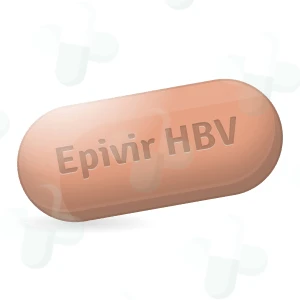
Epivir HBV

Epivir HBV is an established antiviral medication formulated to assist in the management and treatment of chronic hepatitis B infection. Containing the active ingredient lamivudine, it works effectively by slowing the multiplication of the hepatitis B virus to help reduce liver inflammation and damage. This daily oral treatment helps maintain lower viral loads, supporting your long-term liver health. Conveniently accessible for Australian customers, Epivir HBV is available over the counter directly through our online store. You can order this reliable OTC medication quickly and securely to ensure your ongoing hepatitis B management remains uninterrupted.
Delivery: 5–21 days (depending on the shipping method selected)
Extra 10% off with code: EXTRA10
Each dosage option has its own packaging variants.
Epivir HBV The Antiviral Therapy of Lamivudine for Chronic Hepatitis B Infection
Chronic Hepatitis B Virus (HBV) infection represents a significant global health challenge, affecting millions of people, including many here in Australia. Left untreated, it can lead to serious liver damage, cirrhosis, and even liver cancer. Fortunately, advancements in antiviral therapy have provided effective solutions to manage this condition, helping to improve patient outcomes and quality of life. Among these vital treatments, Epivir HBV stands out as a widely recognised and trusted medication.
Epivir HBV, containing the active ingredient lamivudine, is a potent antiviral agent specifically designed to combat the Hepatitis B virus. It works by interfering with the virus’s ability to replicate, thereby reducing the viral load in the body and mitigating the progression of liver disease. This detailed guide aims to provide a thorough understanding of Epivir HBV, its benefits, proper usage, and how it can be a cornerstone in your journey towards better health. We are committed to offering accessible and vital health solutions to our Australian community, ensuring you have the information and support you need.
Understanding Epivir HBV: A Vital Treatment for Hepatitis B
Epivir HBV is an orally administered nucleoside analogue reverse transcriptase inhibitor (NRTI) that has been a cornerstone in the management of chronic Hepatitis B for many years. Its active ingredient, lamivudine, is highly effective in suppressing HBV replication. The drug is typically prescribed for patients with chronic Hepatitis B who show evidence of active viral replication and persistent elevations in serum aminotransferases, or who have histological evidence of active liver inflammation and fibrosis.
The mechanism of action of lamivudine involves its phosphorylation to an active metabolite, lamivudine triphosphate. This active form then competes with the natural substrate, deoxycytidine triphosphate, for incorporation into the viral DNA by the HBV reverse transcriptase. Once incorporated, lamivudine triphosphate causes chain termination during DNA synthesis, effectively halting the replication of the Hepatitis B virus. This targeted action helps to reduce the amount of virus in the blood, lower liver enzyme levels, and prevent further liver damage.
Managing chronic Hepatitis B is a long-term commitment, and Epivir HBV offers a reliable option for many Australians. Its efficacy has been well-documented in numerous clinical trials, demonstrating significant reductions in HBV DNA levels, normalisation of ALT (alanine aminotransferase) levels, and improvements in liver histology. By reducing viral activity, Epivir HBV helps to decrease the risk of serious complications such as cirrhosis and hepatocellular carcinoma, thereby extending and improving the lives of individuals living with chronic HBV infection.
Choosing the right treatment is a crucial step, and we understand the importance of making informed decisions. Our online pharmacy is dedicated to providing convenient access to essential medications like Epivir HBV across Australia, ensuring that individuals can obtain the treatment they need with ease and confidence. We believe in empowering our customers with comprehensive knowledge about their medications, facilitating a proactive approach to health management.
Key Characteristics of Epivir HBV (Lamivudine)
To provide a clear and concise overview of Epivir HBV, we have compiled a detailed table outlining its key characteristics. This information is designed to help you understand the core aspects of this medication, from its active ingredient to its administration and specific considerations for use in Australia.
| Characteristic | Description |
|---|---|
| Active Ingredient | Lamivudine |
| Drug Class | Nucleoside Analogue Reverse Transcriptase Inhibitor (NRTI) |
| Dosage Form | Oral Tablets |
| Strength(s) | Typically 100 mg (specific strength for HBV treatment) |
| Mechanism of Action | Lamivudine triphosphate, the active metabolite, inhibits Hepatitis B virus (HBV) DNA polymerase (reverse transcriptase) by competing with deoxycytidine triphosphate and acting as a chain terminator during viral DNA synthesis. This prevents HBV replication. |
| Indications | Treatment of chronic Hepatitis B virus (HBV) infection in adults and paediatric patients aged 2 years and older with evidence of HBV replication and persistent elevations in serum aminotransferases (ALT or AST) or histologically active disease. |
| Contraindications | Known hypersensitivity to lamivudine or any components of the formulation. Not recommended for patients with acute Hepatitis B infection or those with pre-existing resistance to lamivudine. |
| Common Side Effects | Headache, nausea, abdominal pain, diarrhoea, fatigue, malaise, insomnia, nasal symptoms, cough, rash, musculoskeletal pain, elevated liver enzymes (transient and asymptomatic). |
| Serious Side Effects | Lactic acidosis and severe hepatomegaly with steatosis (rare but potentially fatal). Pancreatitis (rare). Exacerbation of Hepatitis B after discontinuation (monitor liver function closely). Severe rash (Stevens-Johnson syndrome, toxic epidermal necrolysis – extremely rare). Consult a healthcare professional immediately if these occur. |
| Drug Interactions | Co-administration with co-trimoxazole (trimethoprim/sulfamethoxazole) may increase lamivudine exposure. Lamivudine may antagonise the antiviral activity of emtricitabine or reverse transcriptase inhibitors of other classes; avoid co-administration if possible. Limited interactions with most other commonly used medications. Always inform your doctor or pharmacist about all medications, supplements, and herbal products you are taking. |
| Administration | Oral, with or without food. Typically once daily. Consistent daily dosing is important for maintaining antiviral efficacy. |
| Dosage Considerations | Dosage adjustment is necessary for patients with impaired renal function (creatinine clearance < 50 mL/min). No dosage adjustment is required for hepatic impairment. |
| Pregnancy and Lactation | Pregnancy: Data from human pregnancies do not suggest an increased risk of major birth defects. Use during pregnancy should be considered only if the potential benefit justifies the potential risk to the foetus. Lactation: Lamivudine is excreted into human milk. Advise mothers not to breastfeed if they are taking lamivudine. Discuss with a healthcare professional. |
| Monitoring Parameters | Regular monitoring of liver function tests (ALT, AST, bilirubin), renal function, HBV DNA levels, and markers of Hepatitis B (HBeAg, HBeAb, HBsAg, HBsAb) are essential throughout treatment and for several months after discontinuation. |
| Storage | Store at room temperature (below 30°C) away from moisture and heat. Keep out of reach of children. Do not store in the bathroom or near a sink. |
| Manufacturer | Various manufacturers, originally developed by GlaxoSmithKline. Generic versions are also available. |
| Shelf Life | Typically 2-3 years from manufacturing date, indicated on packaging. |
| Package Size | Commonly available in packs of 30 or 60 tablets. |
| Availability in Australia | Freely available for purchase without a prescription or specialist consultation through our online pharmacy, with convenient delivery across all states and territories of Australia. |
Dosage and Administration Guidelines
The standard adult dose of Epivir HBV for the treatment of chronic Hepatitis B is 100 mg orally once daily. For paediatric patients aged 2 to 17 years, the dose is typically 3 mg/kg once daily, up to a maximum of 100 mg daily. It is crucial to adhere strictly to the prescribed dosage and administration schedule to maximise the effectiveness of the treatment and minimise the risk of developing drug resistance.
Epivir HBV tablets can be taken with or without food. Consistency in taking the medication at the same time each day is recommended to maintain stable drug levels in the body. If a dose is missed, it should be taken as soon as remembered, unless it is almost time for the next dose, in which case the missed dose should be skipped, and the regular dosing schedule resumed. Double doses should never be taken to make up for a missed one.
Patients with impaired renal function require a dosage adjustment to prevent excessive drug accumulation. A healthcare professional should determine the appropriate dose based on the patient’s creatinine clearance. No dosage adjustment is necessary for patients with hepatic impairment. The duration of treatment with Epivir HBV for chronic Hepatitis B is often long-term, possibly for several years or indefinitely, depending on the patient’s response and specific clinical circumstances. Regular monitoring by a healthcare professional is essential throughout the treatment period.
Potential Side Effects and What to Do
While Epivir HBV is generally well-tolerated, like all medications, it can cause side effects. The most common side effects are usually mild to moderate and may include headache, nausea, abdominal pain, diarrhoea, fatigue, malaise, insomnia, and nasal symptoms. These often resolve as the body adjusts to the medication.
Less common side effects can include cough, rash, and musculoskeletal pain. It is important to remember that not everyone will experience these side effects, and many people take Epivir HBV without any significant issues.
More serious, though rare, side effects can occur. These include lactic acidosis and severe hepatomegaly with steatosis, which can be life-threatening. Symptoms of lactic acidosis may include weakness, unusual muscle pain, trouble breathing, stomach pain with nausea and vomiting, feeling cold, and dizziness. Exacerbation of Hepatitis B may occur after discontinuation of Epivir HBV, making close monitoring of liver function essential for several months post-treatment. If you experience any severe or concerning symptoms, especially those indicative of lactic acidosis or a severe allergic reaction (e.g., severe rash, swelling of the face/throat, difficulty breathing), seek immediate medical attention.
Drug Interactions: Important Considerations
Epivir HBV generally has a favourable drug interaction profile. However, it’s crucial to be aware of potential interactions to ensure the safety and efficacy of your treatment. Co-administration of lamivudine with co-trimoxazole (trimethoprim/sulfamethoxazole), a common antibiotic, can lead to an increase in lamivudine exposure. Therefore, careful monitoring is advised if these medications are taken together.
It is important to avoid co-administration of Epivir HBV with emtricitabine, as both are nucleoside analogue reverse transcriptase inhibitors with similar mechanisms of action and cross-resistance profiles. Concurrent use of these two drugs is generally not recommended as it does not offer additional benefit and may increase the risk of side effects. Always inform your treating healthcare professional about all prescription and over-the-counter medications, vitamins, herbal supplements, and recreational drugs you are using to allow for a thorough assessment of potential interactions.
Warnings and Precautions for Australian Users
Before starting treatment with Epivir HBV, it is important to understand certain warnings and precautions. Patients with pre-existing renal impairment will require a dose adjustment of lamivudine. Regular monitoring of renal function is recommended during treatment. For individuals with chronic Hepatitis B, there is a risk of severe acute exacerbation of Hepatitis B after discontinuation of Epivir HBV. This rebound in viral activity can lead to serious liver damage, necessitating close monitoring of liver function for at least several months after stopping the medication.
Although rare, cases of lactic acidosis and severe hepatomegaly with steatosis, including fatal cases, have been reported with the use of nucleoside analogues, including lamivudine. Patients presenting with symptoms such as unexplained fatigue, muscle pain, abdominal pain, nausea, vomiting, or dyspnoea should be evaluated for lactic acidosis. Particular caution should be exercised when administering lamivudine to patients with known risk factors for liver disease.
Epivir HBV is not intended for the treatment of HIV infection. If a patient with unknown HIV status receives lamivudine, there is a risk of developing HIV resistance to lamivudine if they are co-infected with HIV. Therefore, HIV testing should be considered before initiating Epivir HBV. For Australian patients, adherence to these guidelines ensures safe and effective management of chronic Hepatitis B.
Why Choose Our Online Pharmacy for Your Epivir HBV Needs?
In the evolving landscape of healthcare, convenience, reliability, and accessibility are paramount. Our online pharmacy is committed to providing a seamless and supportive experience for individuals managing chronic conditions such as Hepatitis B. When you choose to acquire Epivir HBV through our platform, you benefit from a service designed with the Australian customer in mind, offering unparalleled ease and flexibility.
We understand the importance of immediate access to vital medications. That’s why we offer Epivir HBV for purchase absolutely freely, without the need for a prescription or a specialist consultation. This streamlined process removes traditional barriers, allowing you to quickly and efficiently obtain your medication when you need it most. Our commitment extends across the vast expanse of Australia, with reliable and discreet delivery services ensuring your Epivir HBV reaches you, whether you reside in bustling metropolitan centres or remote regional areas. We pride ourselves on excellent customer service, ensuring your peace of mind throughout your purchase journey.
Frequently Asked Questions About Epivir HBV
We’ve compiled answers to some of the most common questions regarding Epivir HBV to further assist you in understanding this important medication. These questions address key aspects of its use, efficacy, and general considerations.
-
What is Epivir HBV primarily used for?
Epivir HBV is specifically approved for the treatment of chronic Hepatitis B virus (HBV) infection. It is used in patients who show signs of active viral replication and liver disease, aiming to reduce the viral load and prevent further damage to the liver.
-
How does Epivir HBV work to treat Hepatitis B?
Epivir HBV contains lamivudine, which is an antiviral medication. It works by interfering with the Hepatitis B virus’s ability to reproduce itself. By blocking the viral enzyme called reverse transcriptase, lamivudine stops the virus from making new copies, thereby reducing the amount of virus in your body and helping your liver to recover.
-
What is the typical dosage of Epivir HBV?
For most adults with chronic Hepatitis B, the recommended dosage of Epivir HBV is one 100 mg tablet taken orally once daily. Dosage adjustments may be necessary for patients with kidney problems, so it’s always important to follow specific instructions or consult a healthcare professional for guidance tailored to individual needs.
-
How long do I need to take Epivir HBV?
Treatment with Epivir HBV for chronic Hepatitis B is typically long-term. The duration of therapy can vary greatly, often continuing for several years or even indefinitely, depending on your individual response to treatment, viral load, and the advice of your healthcare provider. Regular monitoring is essential to determine the optimal length of treatment.
-
What are the most common side effects of Epivir HBV?
Common side effects of Epivir HBV can include headache, nausea, abdominal pain, diarrhoea, fatigue, and insomnia. These side effects are usually mild and often diminish as your body adjusts to the medication. If any side effects persist or become bothersome, it’s advisable to seek medical advice.
-
Can Epivir HBV cure Hepatitis B?
Epivir HBV is highly effective at suppressing the Hepatitis B virus and managing the infection, but it does not typically cure chronic Hepatitis B. It helps to control the virus, reduce viral load, prevent liver damage, and lower the risk of serious complications like cirrhosis and liver cancer. Long-term management is often required to maintain these benefits.
-
Is Epivir HBV suitable for children?
Yes, Epivir HBV (lamivudine) is approved for the treatment of chronic Hepatitis B in paediatric patients aged 2 years and older. The dosage for children is usually based on their body weight, up to a maximum of 100 mg daily. Treatment decisions for children should always be made by a paediatric specialist.
-
How should I store Epivir HBV tablets?
Epivir HBV tablets should be stored at room temperature, ideally below 30°C, in their original container. Keep them away from direct light, moisture, and excessive heat. It’s crucial to store all medications out of the reach and sight of children to prevent accidental ingestion.
-
Can I take Epivir HBV with other medications?
While Epivir HBV has a relatively low risk of significant drug interactions, some medications can affect its efficacy or increase the risk of side effects. For example, co-trimoxazole can increase lamivudine levels. It’s important to inform your healthcare provider about all medications, including over-the-counter drugs, supplements, and herbal remedies, to avoid potential interactions.
-
Is Epivir HBV available for delivery across Australia?
Absolutely! We are proud to offer convenient and reliable Australia-wide delivery for Epivir HBV. Whether you’re in a major city like Sydney or Perth, or a more remote regional area, you can purchase Epivir HBV freely and have it delivered directly to your door, ensuring you have uninterrupted access to your vital medication.
Customer Experiences with Epivir HBV in Australia
Hearing from others who have used Epivir HBV can provide valuable insights and reassurance. We are pleased to share feedback from our Australian customers who have found significant benefit from this medication in managing their chronic Hepatitis B.
Review 1: “A Game Changer for My Liver Health in Melbourne”
“Living with chronic Hepatitis B was a constant worry, and I was always concerned about the long-term impact on my liver. My doctor in Melbourne recommended Epivir HBV a few years ago, and it has truly been a game-changer. Since starting treatment, my viral load has significantly decreased, and my liver function tests have improved considerably. I feel more energetic, and the constant anxiety I used to carry has lessened. The side effects, if any, have been very mild and manageable, mostly just a bit of a headache initially. What’s more, finding an online pharmacy that allows me to purchase Epivir HBV freely and delivers it discreetly to my home anywhere in Australia has been incredibly convenient. It takes a huge amount of stress out of managing my condition. I highly recommend Epivir HBV for anyone in Australia dealing with chronic HBV.” – David L., Victoria
Review 2: “Reliable Treatment and Excellent Service for Regional Queensland”
“As someone living in regional Queensland, access to specialist care and pharmacies can sometimes be a challenge. When my gastroenterologist suggested Epivir HBV for my chronic Hepatitis B, I was a bit worried about how I’d consistently get my medication. That’s when I discovered this online pharmacy. Not only could I purchase Epivir HBV without a prescription, but their Australia-wide delivery service has been impeccable. The medication itself has been very effective; my latest blood tests confirm a stable, low viral count, which is fantastic news. I haven’t experienced any noticeable side effects, and I feel confident in my treatment plan. The ease of ordering and the reliable delivery have made a huge difference to my peace of mind. For fellow Australians managing Hepatitis B, this is definitely a trustworthy option.” – Sarah T., Queensland
| Dosage | 100mg, 150 mg |
|---|---|
| Package | 30 pills, 60 pills, 90 pills, 120 pills, 180 pills, 270 pills, 360 pills |
| Active Ingredient | Lamivudine |
| Active Ingredient |
Be the first to review “Epivir HBV”
You must be logged in to post a review.
Related products





Reviews
There are no reviews yet.